

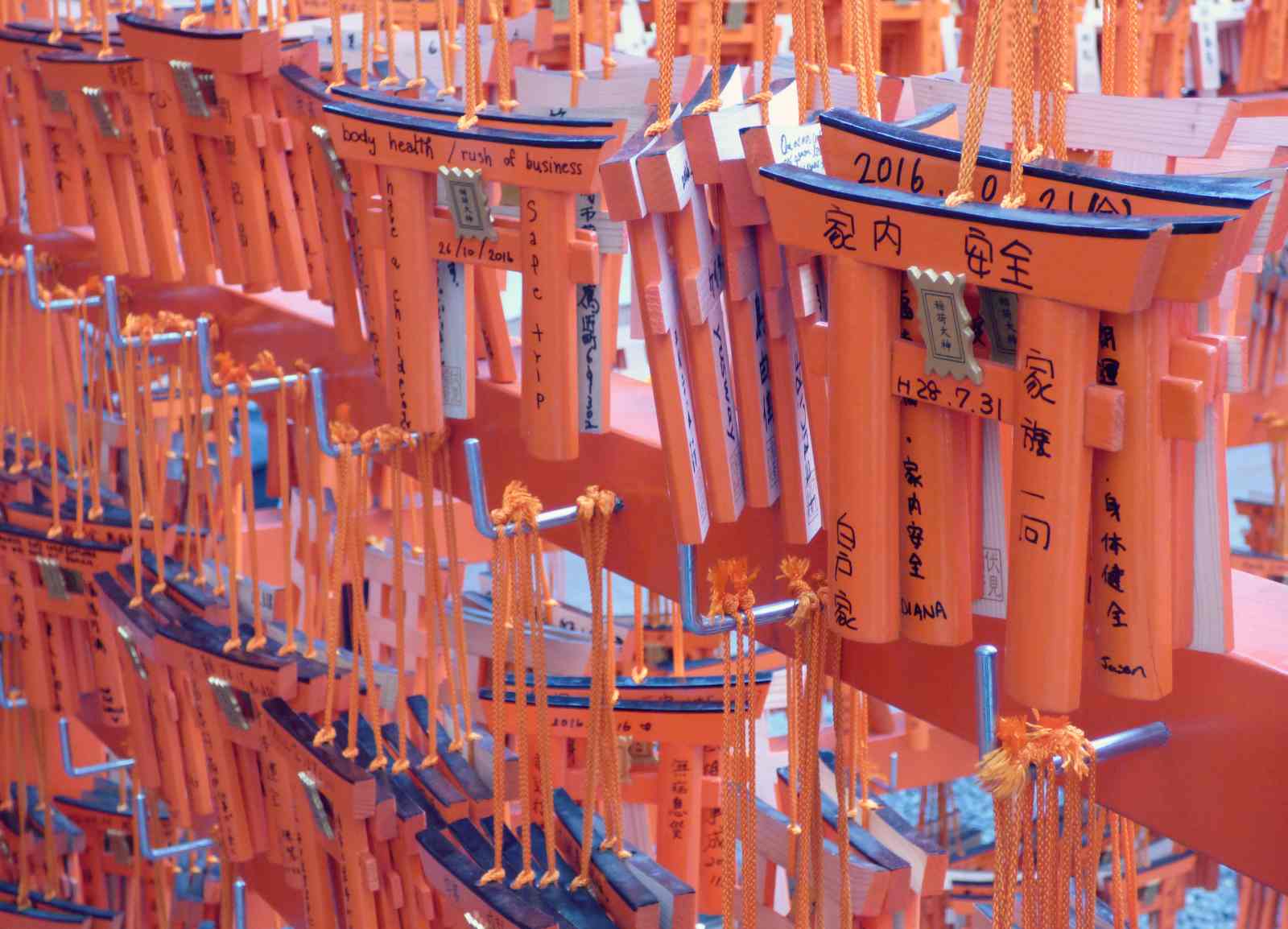
Planning a trip to Japan? Learn 10 things every traveler should know about Japan, from traditions to fun stuff and practical things.
*We use ads so we can pay for our travels and continue to bring you free travel advice. We also use affiliate links. If you make a purchase through them, we may receive a small commission at no cost to you. See our Privacy Policy for more information.
On our trip to Japan, we absolutely loved experiencing a culture so different from our own. Everything felt exciting and new, and nearly every day we saw something new we had never seen before.
Japan turly has two distinct sides. There’s the traditional Japan that values peace, customs and etiquette, and then there’s the new, modern Japan -colourful, playful, and full or energy. Tokyo, in particular, is a wonderful blend of both worlds.
During our travels, we noticed a few things that are helpful to know if you are planning a trip to Japan, and things we wish we had known before we went. Here are some of them:
Things you should know before traveling to Japan
1. The Japanese love silence
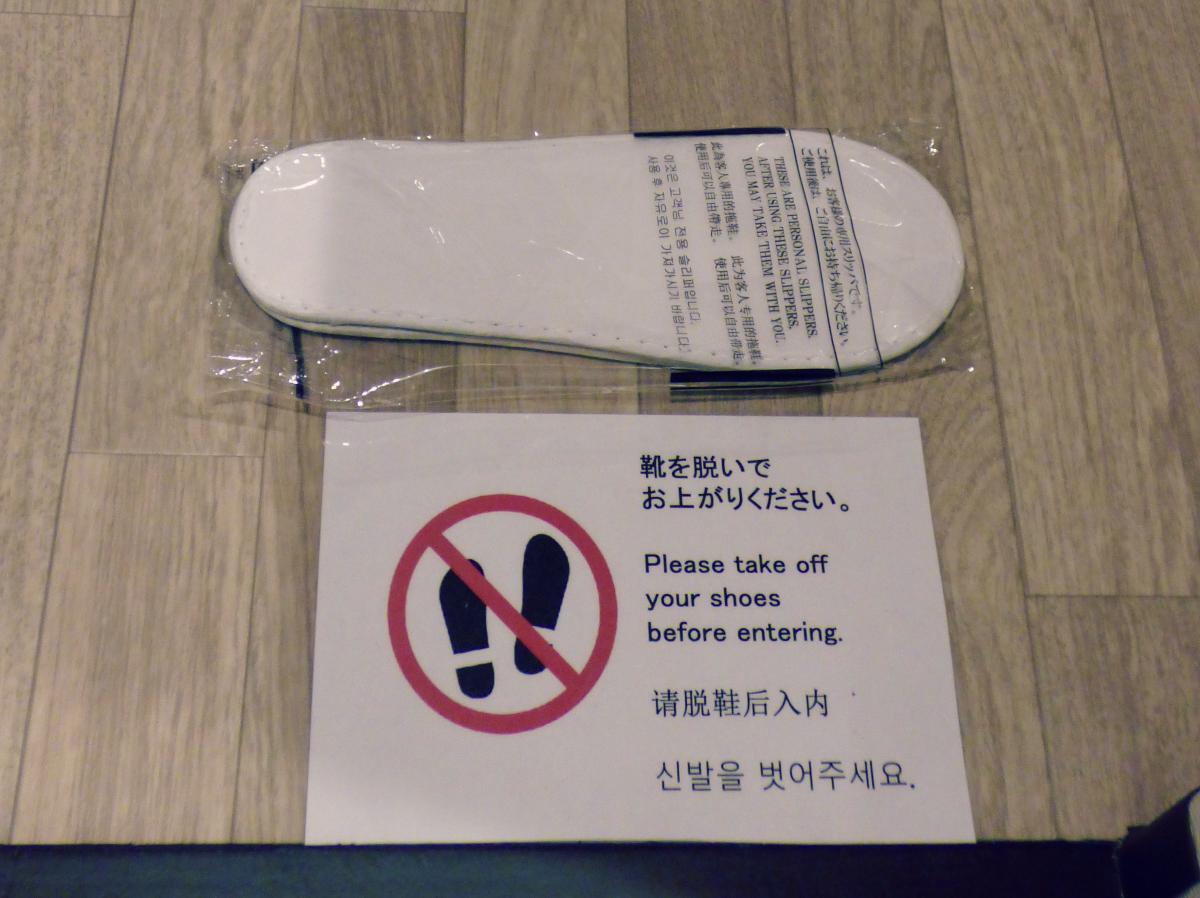
In Japan, silence is deeply valued, and people are very mindful about not disturbing other in shared spaces. For me, having grown up in Finland, where quiet is also the norm, this felt completely natural. I did, however, have to gently remind my American husband a few times to lower his voice during our trip.
You notice this most clearly on trains. Conversations are kept very quiet, and phones and tablets are muted. We also saw reminders about this hotel rooms and Airbnbs, reinforcing just how important consideration for others is in everyday life.
2. Remove your shoes when inside
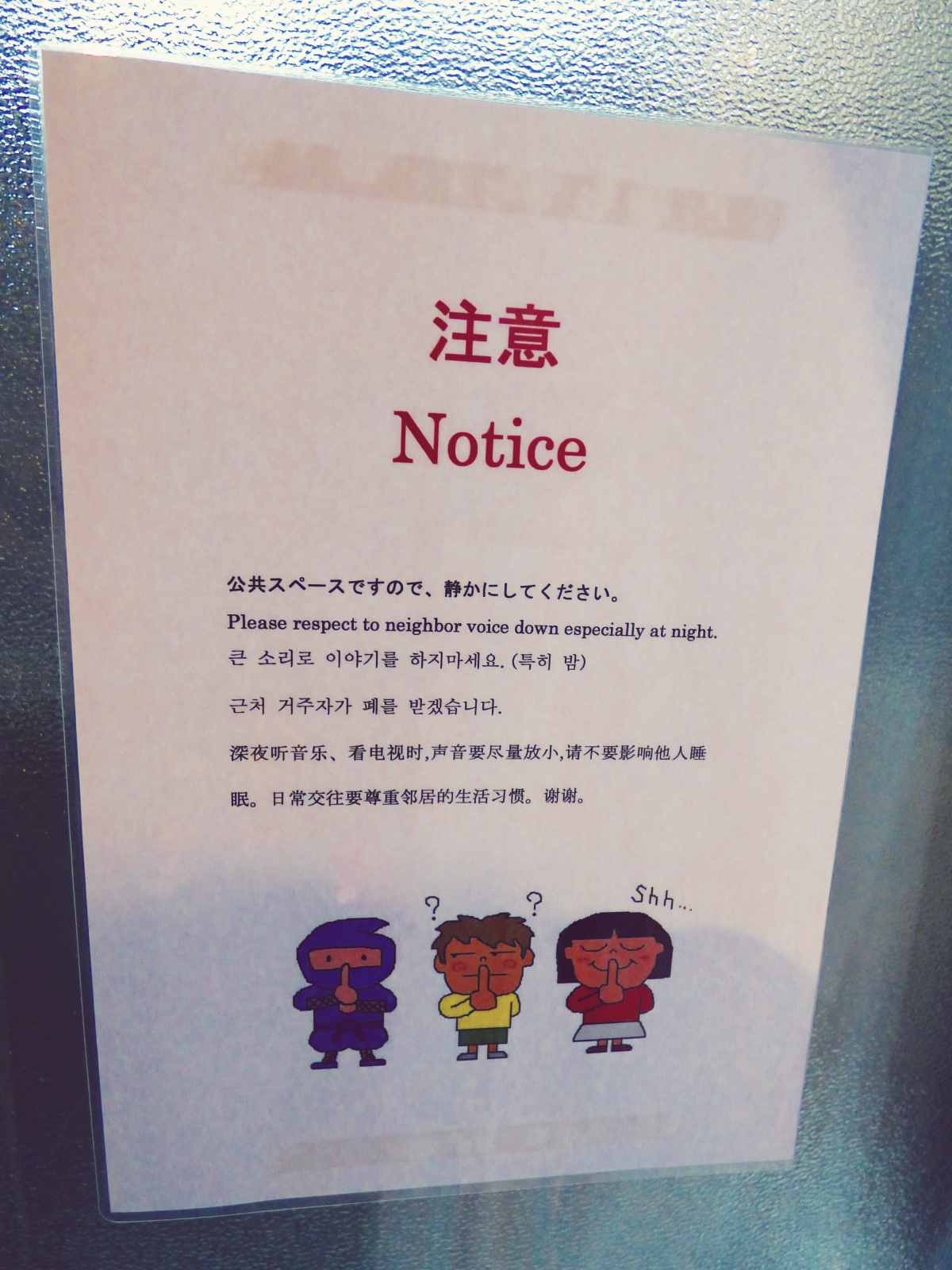
Japanese people don’t wear shoes inside, so it is usually expected that you remove your shoes in hotel rooms and many other places. Even in some restaurants it is polite to remove your shoes.
Many places offer slippers that you can wear and sometimes even keep for yourself. Some of the old castles that we visited required people to leave their shoes by the door or carry them in a plastic bag during the tour.
3. Many people still wear face masks
You’ll see face masks everywhere in Japan, but there’s no need to worry, it doesn’t mean everyone wearing one is sick. Long before COVID, wearing masks in public spaces like trains and shops was already common.
Some people wear masks to protect themselves from germs, while others use them during allergy season to avoid pollen. Masks are also seen as a polite way to protect others when you’re feeling unwell, reflecting the strong emphasis on consideration and community in everyday life.
4. Don’t take pictures of Japanese people
People in Japan are not happy about tourists photographing them and especially without asking permission first. And it is not very polite anyway. However, in many places, especially at famous sites, it is impossible to take pictures without having some strange people in it. At those places people know there is a chance they will end up in someone’s home album, so you don’t worry too much about it.
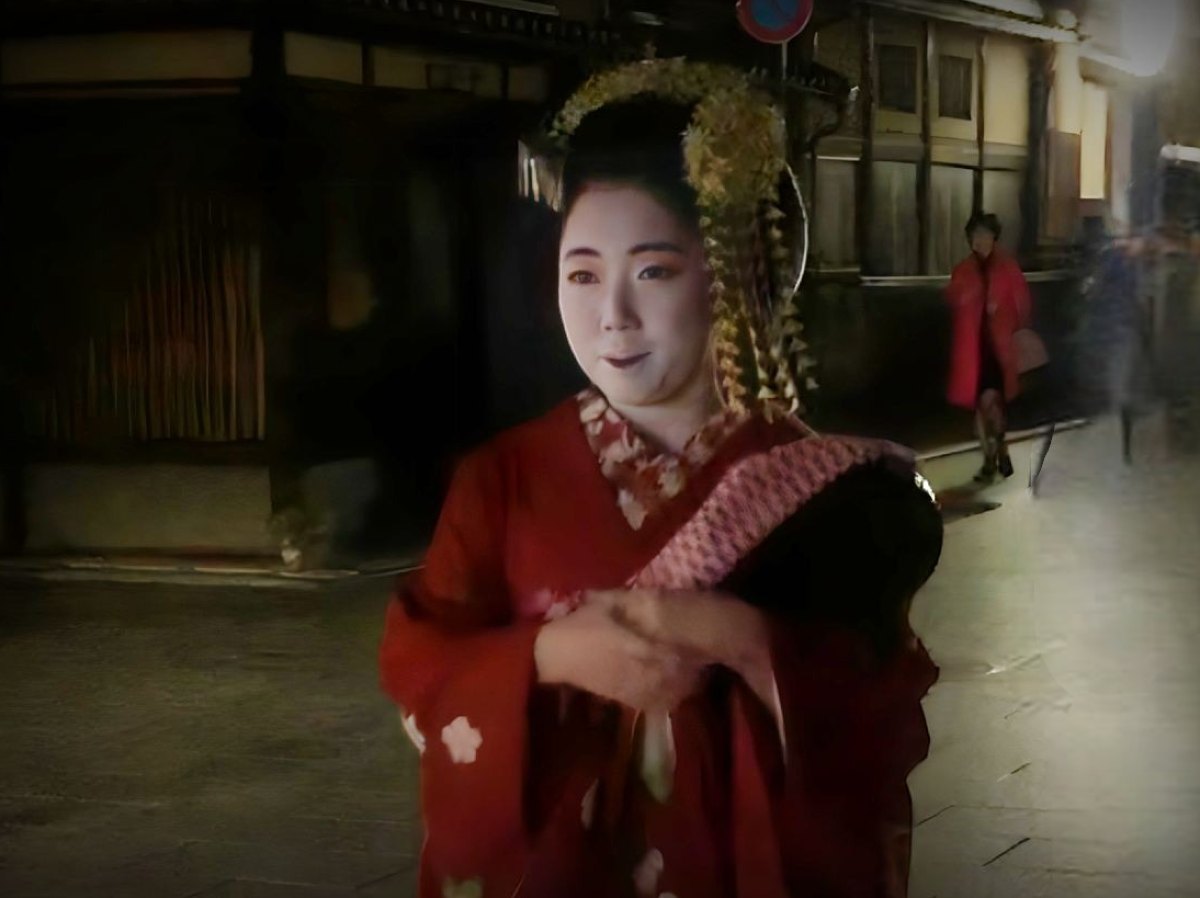
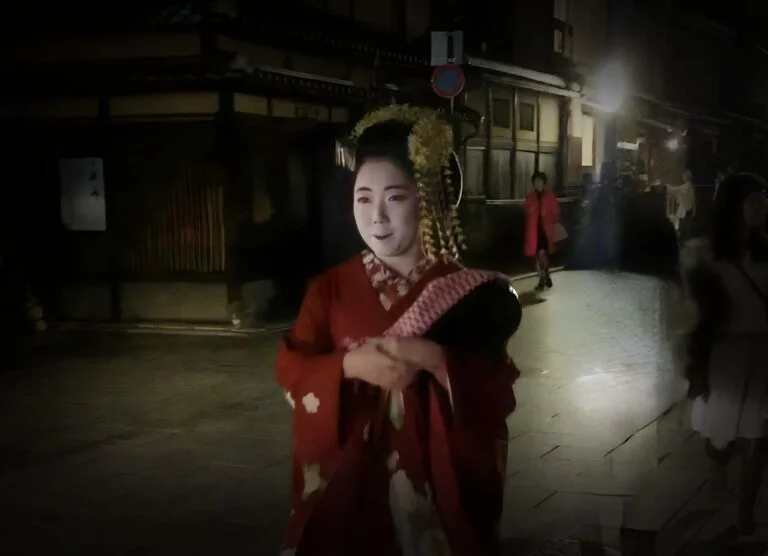
If you visit Kyoto and it’s famous Geisha district in Gion, you should know that photographing geishas with their customers is a big NO NO!
5. Japanese beds can Surprise you
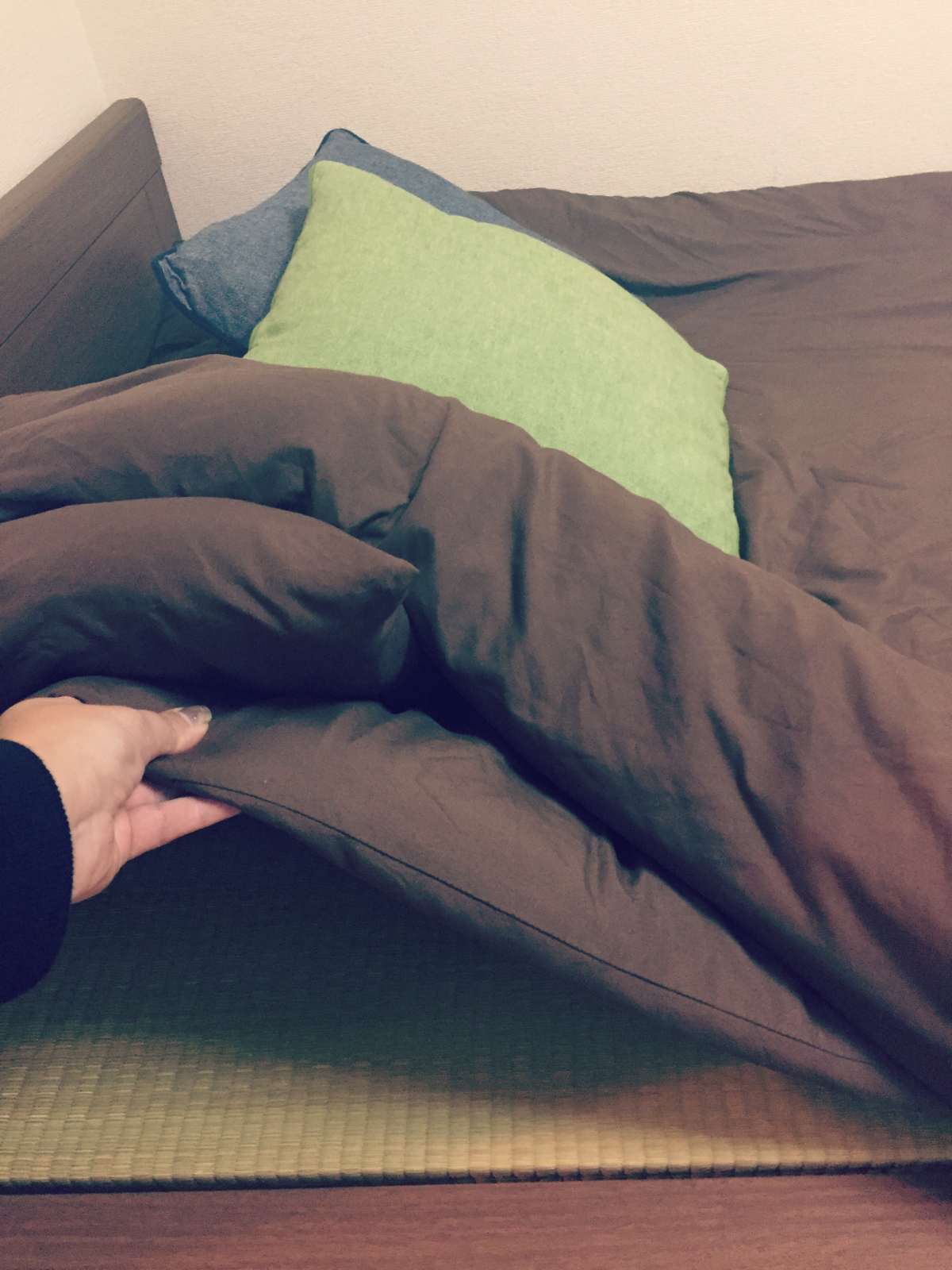
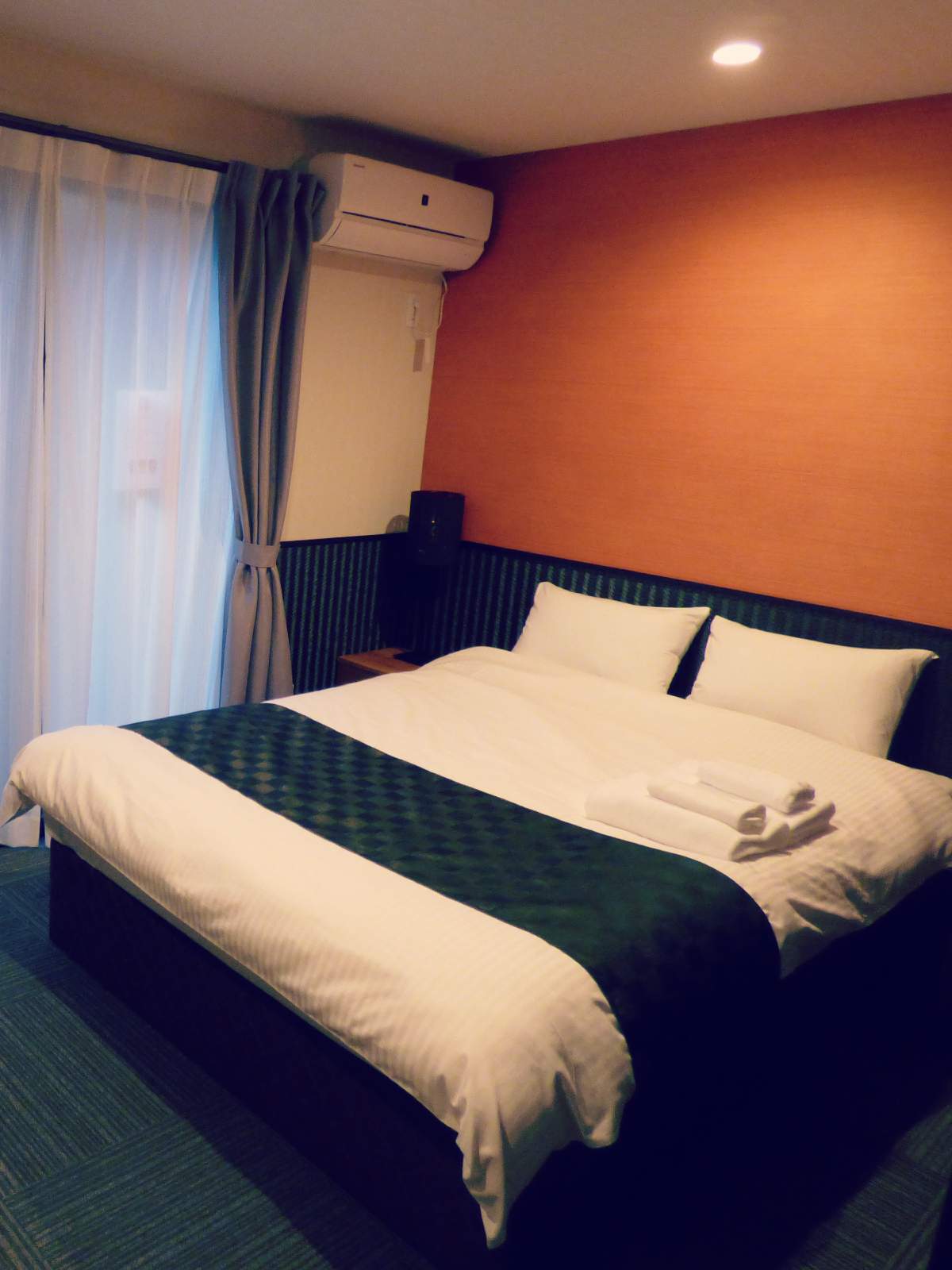
Most hotels in Japan offer Western-style beds, but if you book a ryokan (a traditional guesthouse) or an Airbnb, you may be in for a surprise. Many of them feature tatami bed with very thin mattress or a futon laid directly on the floor.
Japanese futon (shikibuton) is believed to be good for your posture and blood circulation. It also saves space because it is easy to fold away for day time.
6. There are theme cafes everywhere
Japan is full of the most interesting and bizarre theme cafes. The most famous are maid cafes, which helped launch the whole theme cafe trend. In a maid cafe, the servers wear maid costumes and treat guests as their “masters”.
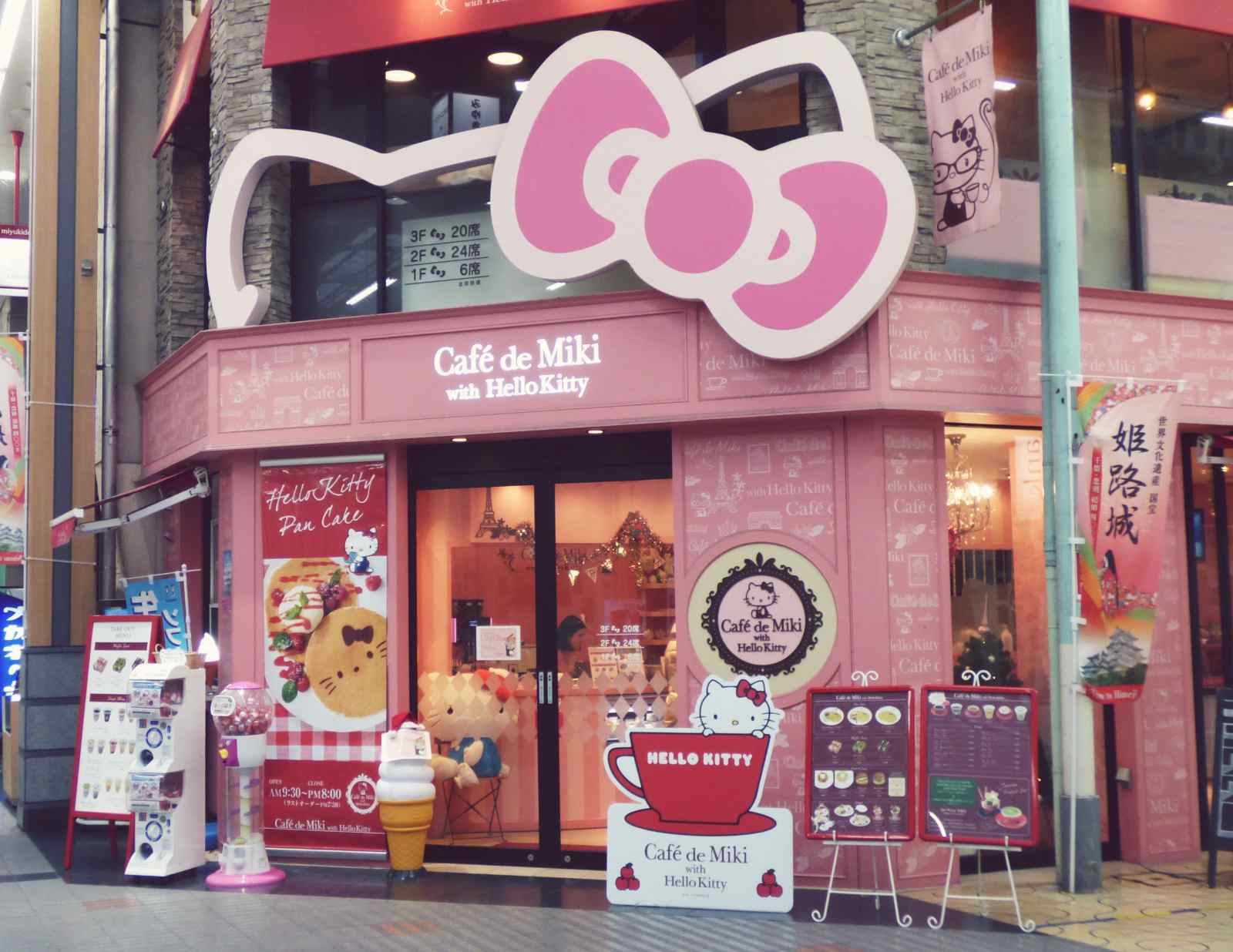
Other popular themes are a Pokemon cafes, Vampire Cafes, and the Robot Restaurant. We visited a Hello Kitty Cafe, Kawaii Monster Cafe and a Moomin Cafe, and all of them were a lot of fun – especially for our daughter.
There are also different kinds of animal-themed cafes, such as cat cafes, owl cafes and hedgehog cafes. That said, it’s worth taking a moment to consider the ethics of some of these experiences before visiting.
Because the theme cafes are so popular, many require reservations in advance, so it’s best to plan ahead.
7. There are three different kinds of toilets
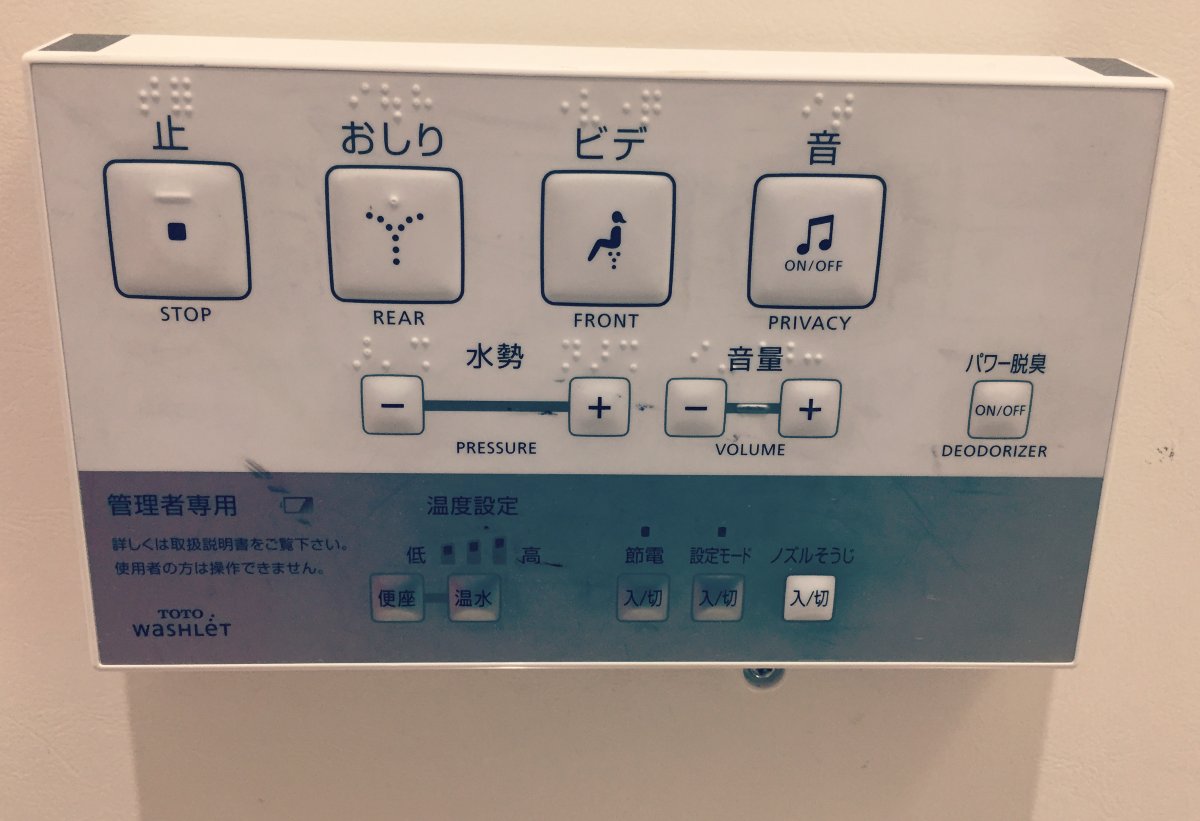
We already had Japanese-style toilets at work, complete with features like built-in bidets and heated seats. One especially interesting feature was the sound button playing music or running water to ensure privacy. With all the bidet options available, toilet paper isn’t always necessary.
Before traveling to Japan, I assumed all Japanese toilets would be this high tech. While many are, you’ll also find Western-style toilets similar to those in the U.S. And then there are the traditional squat toilets, often referred to as “Asian toilets”. So when you head to the restroom, you may have several different options to choose from.
8. Why Japanese women carry a towel with them
The public restrooms in Japan often don’t have paper towels or dryers. So if you don’t want to walk out with wet hands, do what Japanese women do; carry a tiny towel in your purse. Some also use this kind of towel to wipe sweat when it gets hot outside.
In case you forgot to bring one from home, no need to worry, almost every store sells some.
9. People love kids in Japan – also in restaurants
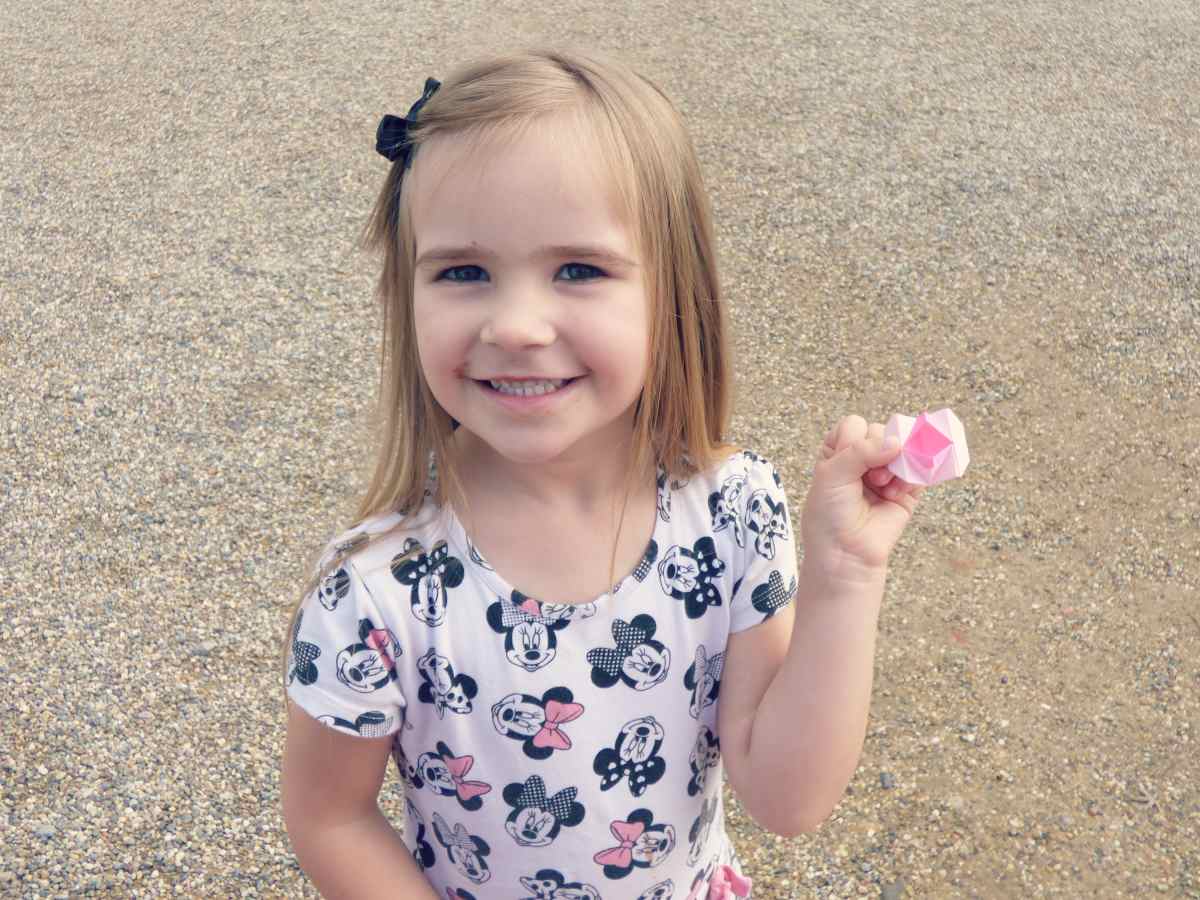
We were traveling with our 4 year old daughter and got a lot of extra attention because of her. Compared to local people, she is a blond with sandy blond hair and hazel eyes, which might be why people wanted to talk to her, but also in general everyone seemed to like kids.
Our daughter got a lot of little gifts and origamis from people on the street, and lots of smiles when we were out. Even a geisha smiled and waved at her.
We wondered how we would cope at the local restaurants since our daughter didn’t know how to use chopsticks yet. But no need to worry! In almost every restaurant they brought her a kids plastic plate with spoon and fork.
10. Not everyone speaks English
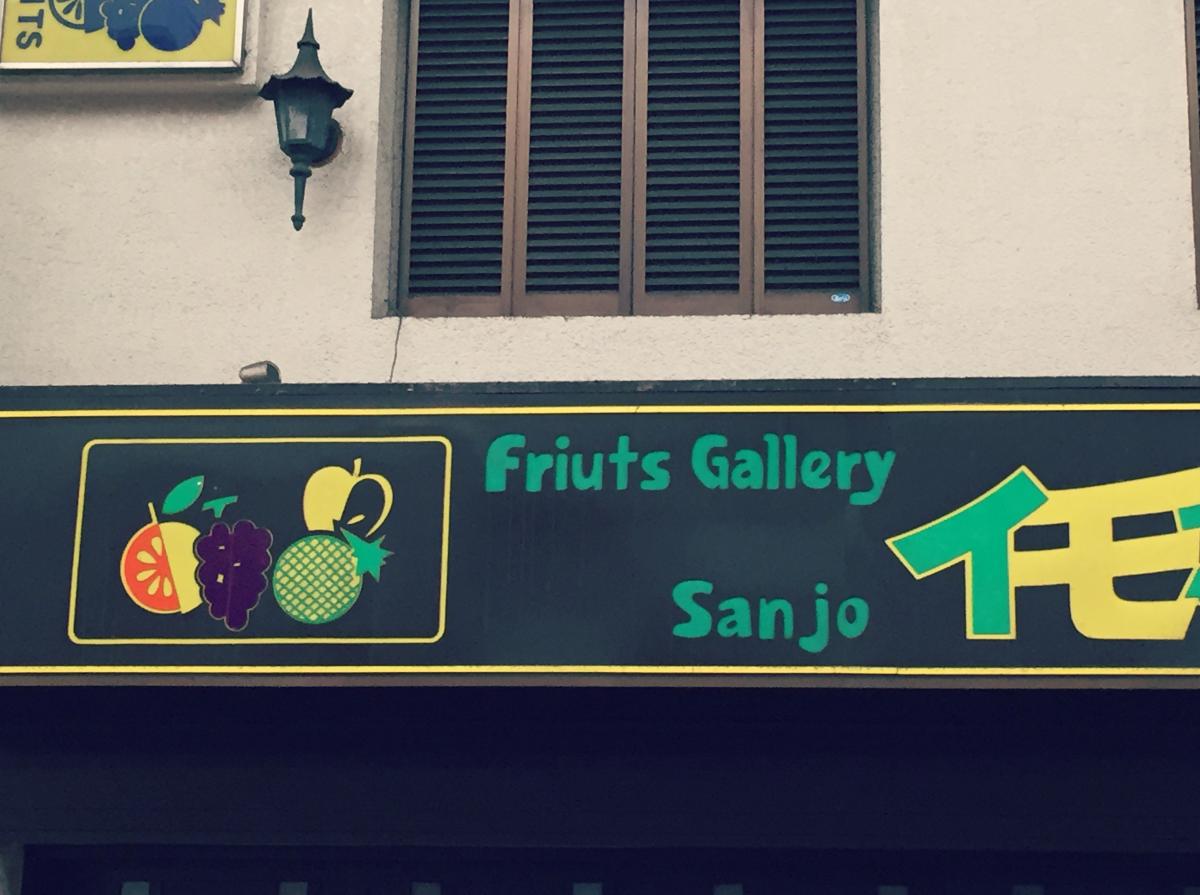
Even though you will find most signs and instructions in English, many people in Japan don’t speak English or do so with difficulty. It is always a good idea to learn some common phrases in Japanese which will be helpful in restaurants and stores. And it is of course polite to know how to say “hello” and “thank you” in the local language.
Language was pretty much the only thing giving us trouble on our trip, and especially buying the train tickets in Japanese. But people there are extremely friendly and helpful, and always ready to guide you.
🏮🏮🏮
Japan is full of things you won’t see anywhere else – some wonderfully strange, other quietly fascinating. At the same time, the country is deeply rooted in tradition and history. The blend of modern life and centuries -old customs is what makes Japan so special, and it has a way of pulling you in the moment you arrive.
We loved our two-week trip to Japan and everything we experiences along the way. We moved from ultra-modern Tokyo to the more traditional cities of Kyoto and Nara, and then on to Himeji Castle and the Peace Memorial in Hiroshima. It was a lot, but we wouldn’t change a thing!
We’re already planning our new trip. This time, we feel more prepared, knowing both what to expect and what’s expected from us. We can’t wait to dive even deeper to the Japanese culture.
Do you have any good tips for first-time travelers to Japan?
🇯🇵 OUR JAPAN TRAVEL RESOURCES 🇯🇵
⛩ Read from here about the things your should know before traveling to Japan.
🍣 While in Japan, make sure to try out at least these foods and treats.
🗝 Hotels & Vacation Rentals: We usually find the best hotel deals here and also check this site.
Vacation homes and condos we book through VRBO.
🚗 Car Rentals: We compare rental car prices on DiscoverCars to find the best deals worldwide.
🚄 Train: If you are visiting multiple cities in Japan we recommend taking the train. Here is
everything you need to know about traveling by train in Japan. We got our JR Pass from here.
🗺 Tours & Activities: We usually book tours through Viator or GetYourGuide.
Both have huge selections and easy cancellation.
✈️ Flights & Online Security: We use VPN when searching for flights.
📞 Travel eSIM & Data: For mobile data in Japan, we used Yesim and it worked well for that.
🩹 Travel Insurance: We always travel with insurance and use SafetyWing on our trips.
For more pictures and videos, check out our Instagram @paulagaston




My perpetual problem is washing myself after I am done using a toilet- I mean in those ones which dont have a jet nozzle. I hope the Japanaese have thought about these problems in their loos.
I have a planned trip to Japan next year. I am really glad that I read your post and will surely consider these before going. Thanks!
Thank you Kevin! I hope you will have a great trip.
Everything seems to be thought out in advance and in order in Japan and your post summarizes the beautiful neatness of their culture.
Thank you so much!
I haven’t traveled to Japan yet. This post is really helpful and I’ll surely recommend this post to my friends going to Japan. Thanks 🙂
Thank you! I hope you get to visit Japan someday.
The Japanese do have a lot of etiquettes. I really like how they give importance to silence, their simple way of lifestyle like floor sitting, simple food, and keeping shoes outside. (Actually we also practice the last one in our houses)
We too. In Finland we never wear shoes inside. I really liked Japanese customs.
Love the part where you say the Japanese like silence. Being an introverted solo traveler, this is the country I would really love to visit.
Yes, as coming from Finland I love silence too. In that case, you would probably like Finland as well.
Japan is one country that has always intrigued me in many ways! Really enjoyed reading your article..
Thank you! I hope you get to visit Japan soon.
Awesome tips to keep in mind before going to Japan. I really didn’t know the real reasons about the face masks. It’s good to know that it’s for pollen and germs!
Thanks Rachelle.
This is such a useful post!. I love how you included plenty of useful and practical tips for people wanting to visit Japan like the removing of shoes and the toilets 🙂
Thank you Marvi!
A very handy tips for anyone who is visiting Japan for the first time. And so many choices for toilets!!
Thank you Amrita!