
Looking for things to do near Flagstaff? Visit Sunset Crater Volcano National Monument for lava trails, volcanic landscapes and scenic stops.
*We use ads so we can pay for our travels and continue to bring you free travel advice. We also use affiliate links. If you make a purchase through them, we may receive a small commission at no cost to you. See our Privacy Policy for more information.
During one of our recent trips through Arizona, we visited two fascinating national monuments that are connected to each other, yet completely different at the same time.
One of them was Sunset Crater Volcano National Monument, known for its lava fields and dramatic rock formations created by an ancient volcano. The other was Wupatki National Monument, where visitors can explore the ruins of centuries-old Puebloan dwellings.
Both parks were interesting in their own way, and they are located surprisingly close to famous attractions like Grand Canyon and Antelope Canyon. This whole region is packed with incredible places to see, so it is definitely worth setting aside plenty of time for exploring.
Sunset Crater Volcano National Monument is located right along Highway 89 in Coconino County. The nearest larger city is Flagstaff, where we have stayed many times during our Southwest road trips.
Sunset Crater Volcano
Sunset Crater Volcano National Monument is located in the San Francisco volcanic field, roughly in the middle of the state of Arizona. Despite the name, it has nothing to do with the city of San Francisco.
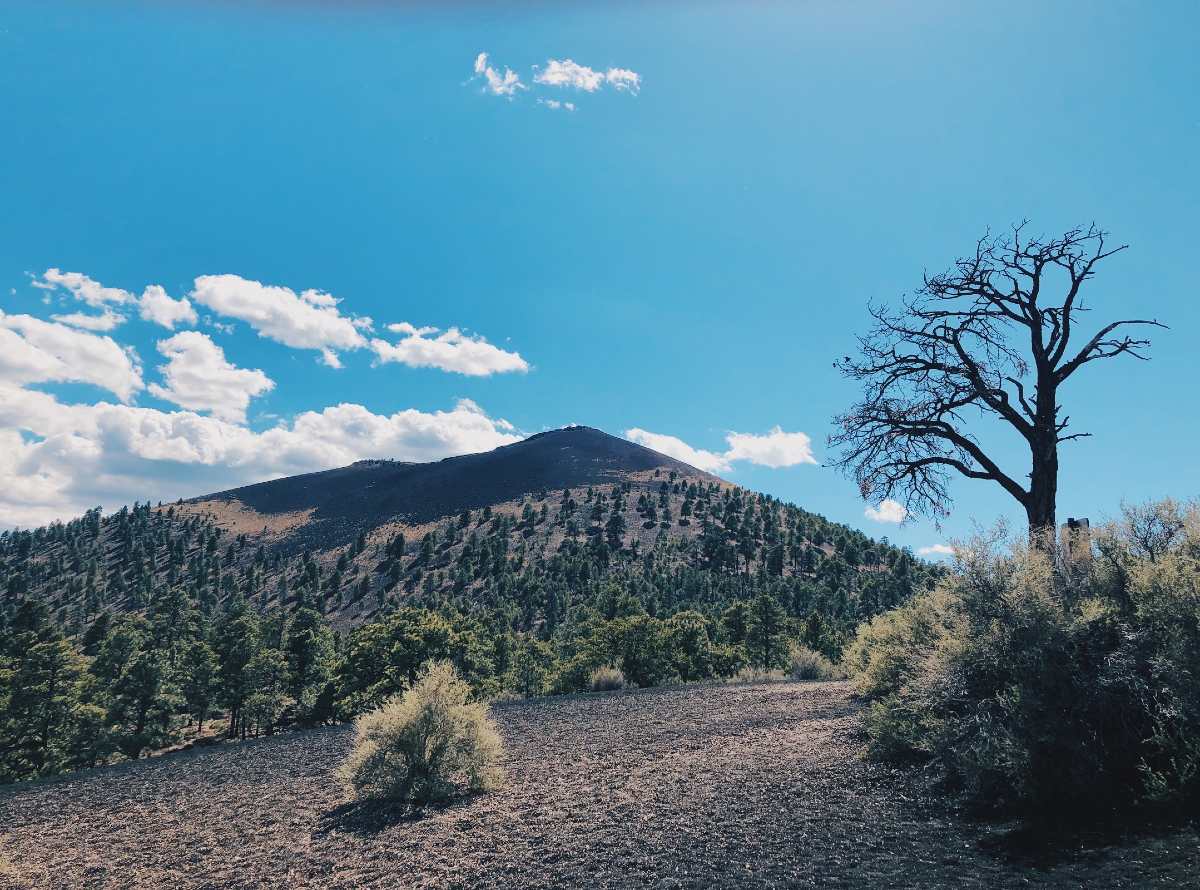
Sunset Crater is the youngest volcano in the San Francisco mountain range. It erupted around the year 1085 CE, sending lava across the landscape and covering nearby areas in black volcanic ash.
No evidence of people trapped beneath lava has ever been found, so it is believed the local inhabitants managed to escape before the eruption. However, the land could no longer be farmed afterward, and those who left never returned to the area.
The eruption of Sunset Crater was what is known as a Hawaiian-style eruption. In this type of eruption, the volcano releases flowing basalt lava relatively peacefully, creating rivers of lava that spread across the ground. The eruption style is named after the volcanoes in Hawaii, which commonly erupt this way.
It is no wonder the park reminded us so much of Hawai’i Volcanoes National Park on the Big Island. While visiting there, we often joked that parts of the landscape felt more like the moon than Earth.
Other well-known volcanoes of the same type eruption include Mount Vesuvius and Mount Etna in Italy.
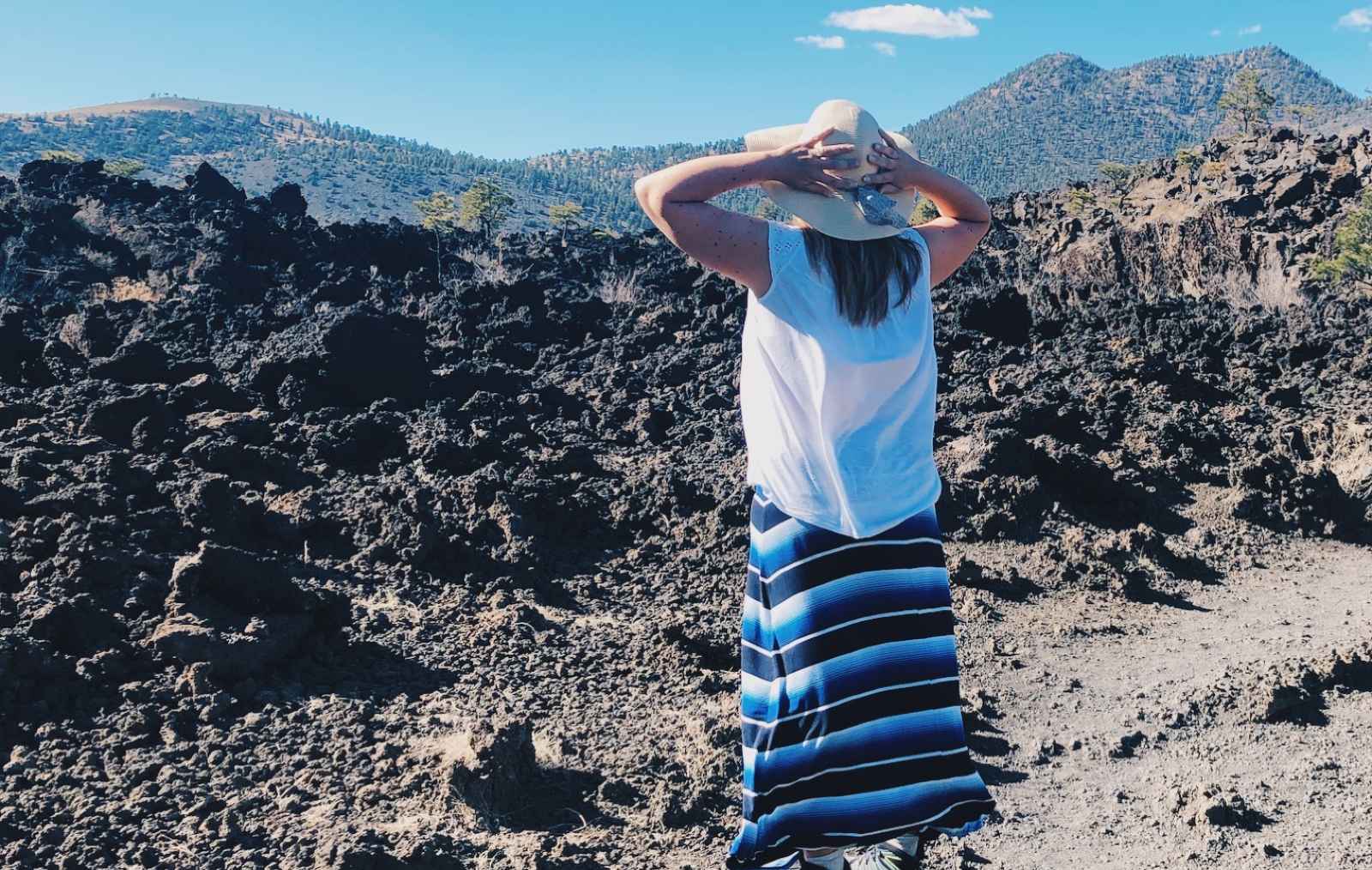
As the lava flowed from Sunset Crater, it created two separate lava fields called Bonito and Kana’a. As earlier lava cooled and hardened, fresh hot lava continued flowing underneath it, breaking through the surface and forming jagged cracks, holes, and dramatic rock formations.
The eruption also created a massive ash cloud estimated to have reached nearly 8 kilometers into the sky. It may have been visible as far south as Tuscon and even all the way to Las Vegas in Nevada.
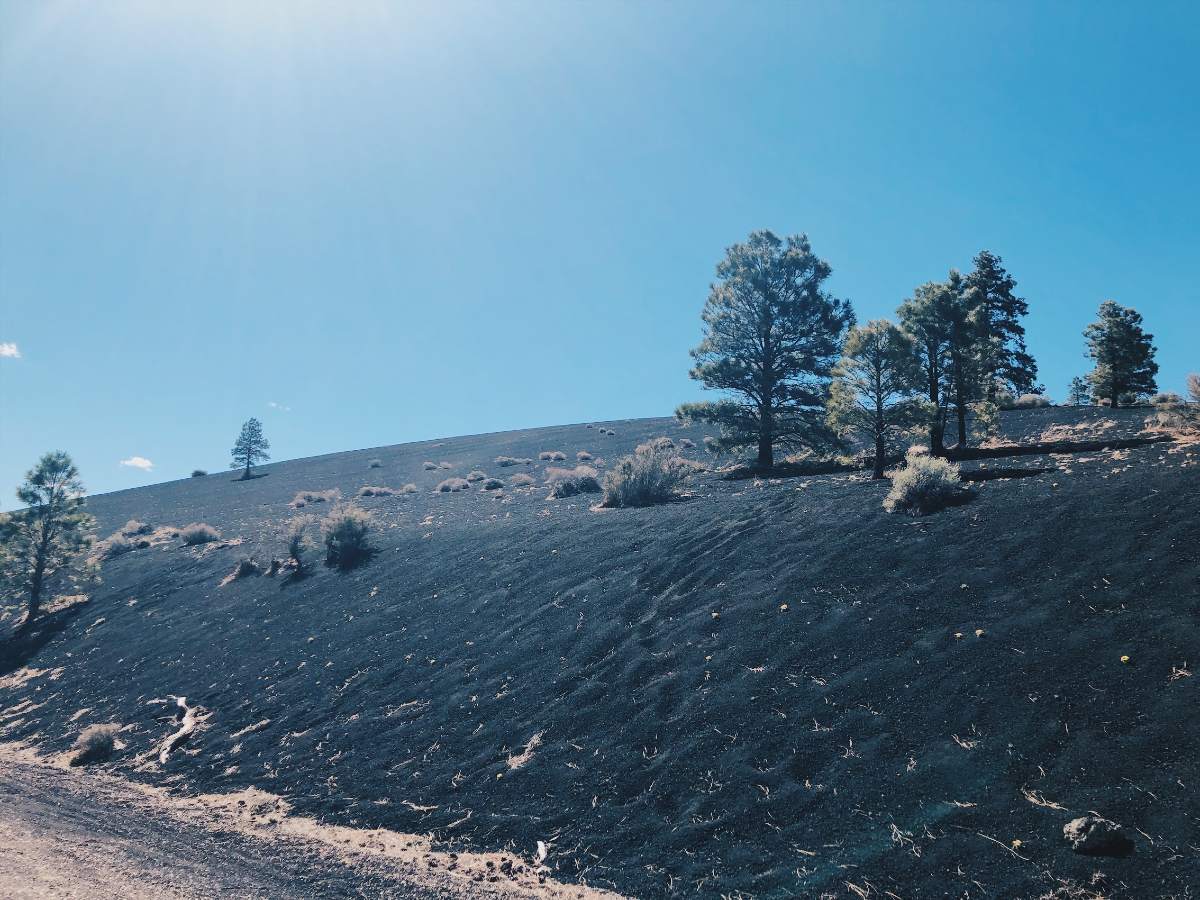
Today, plants and trees have slowly returned to the area, but much of the park is still covered in black sand and lava rock. The volcano’s cinder cone now rests quietly in the middle of the landscape, long dormant and considered safely asleep.
In 2015, people briefly thought Sunset Crater Volcano might be waking up again after smoke was spotted rising from the area. Thankfully, it later turned out to be a forest fire that was quickly contained.
Things to do at Sunset Crater Volcano National Monument
The first stop when entering the park should definitely be the Visitor Center. There is a small museum, a gift shop, and children can also pick up a Junior Ranger activity booklet from there.
The entrance fee is also paid at the Visitor Center. The same ticket includes admission to Wupatki National Monument, so it makes sense to buy it at whichever park you visit first.
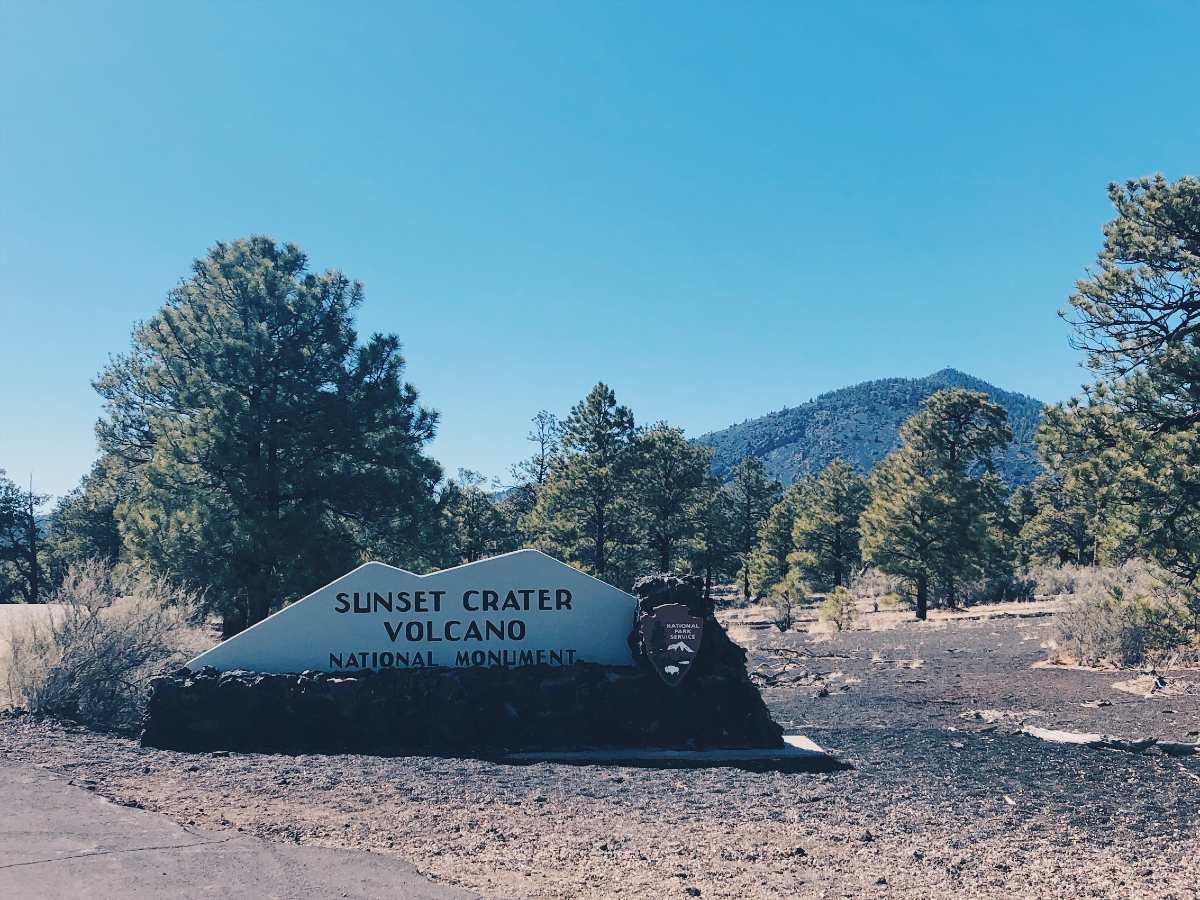
The park has five marked hiking trails in total. Visitors are no longer allowed to hike to the actual crater itself, as too much foot traffic was damaging the fragile volcanic landscape. Because of this, off-trail hiking was banned back in 1973.
There are, however, several shorter trails around the base of the volcano where you can walk through lava fields and spot some of the local wildlife.
The park also once featured a lave tube cave similar to the ones we have explored at Hawai’i Volcanoes National Park and Lava Beds National Monument in California. Unfortunately, the cave partially collapsed over time, and entering it is now prohibited.
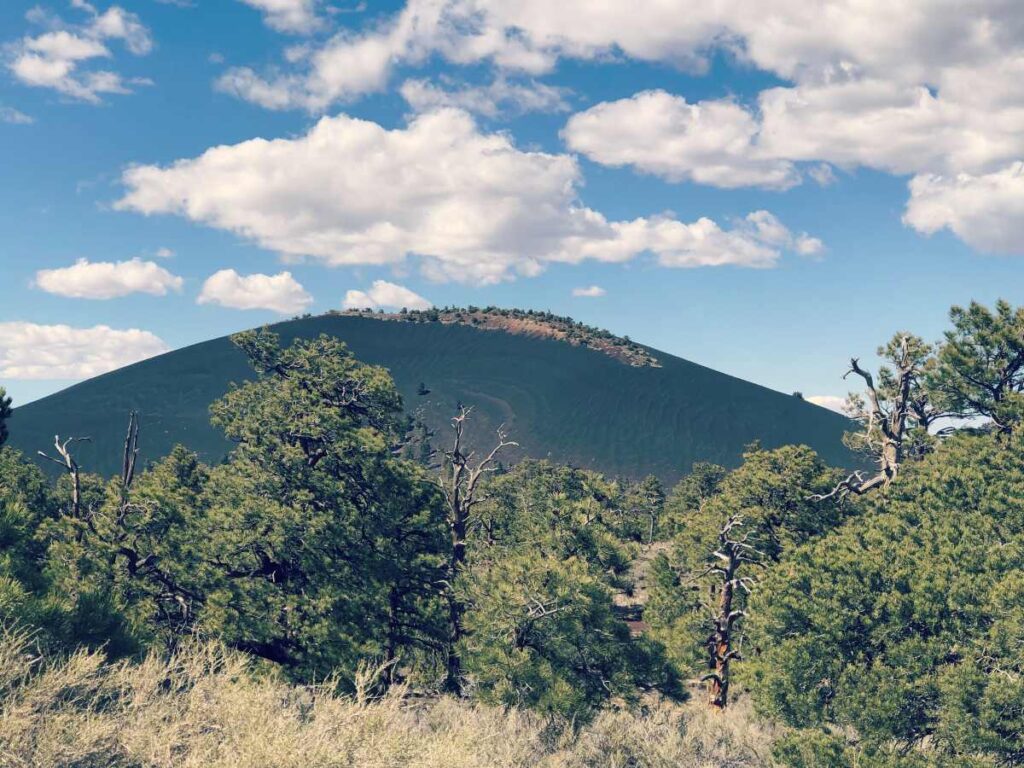
During our visit, we explored A’a Trail, where you can still see remains of the Bonito lava flow around 900 years ago. “A’a” refers to a type of lava that flows quickly and forcefully, cooling into rough, jagged rock with razor-sharp edges.
Both the one mile long (1.6 km) Lava Flow Trail and the shorter 0.3 mile long (0.5 km) Bonito Vista Trail are paved and therefore accessible for strollers and visitors with limited mobility. Both trails pass through the Bonito lava flow area.
For a slightly more challenging hike, the 1.6 mile (2.6 km) Lenox Crater Trail wind through a beautiful pine forest toward O’Leary Peak. The views from there stretch across the lava fields and toward the San Francisco Peaks.
The park’s longest trail is the Lava’s Edge Trail, which is about 3.4 miles (5.5 km) long and begins at the Visitor Center. From the end of the trail, visitors can either return the same way or walk back along the roadside. The route passes through both pine forest and volcanic terrain.
Hiking can be so fun as you get to see everything from close. Here are our family’s trips for hiking with kids.
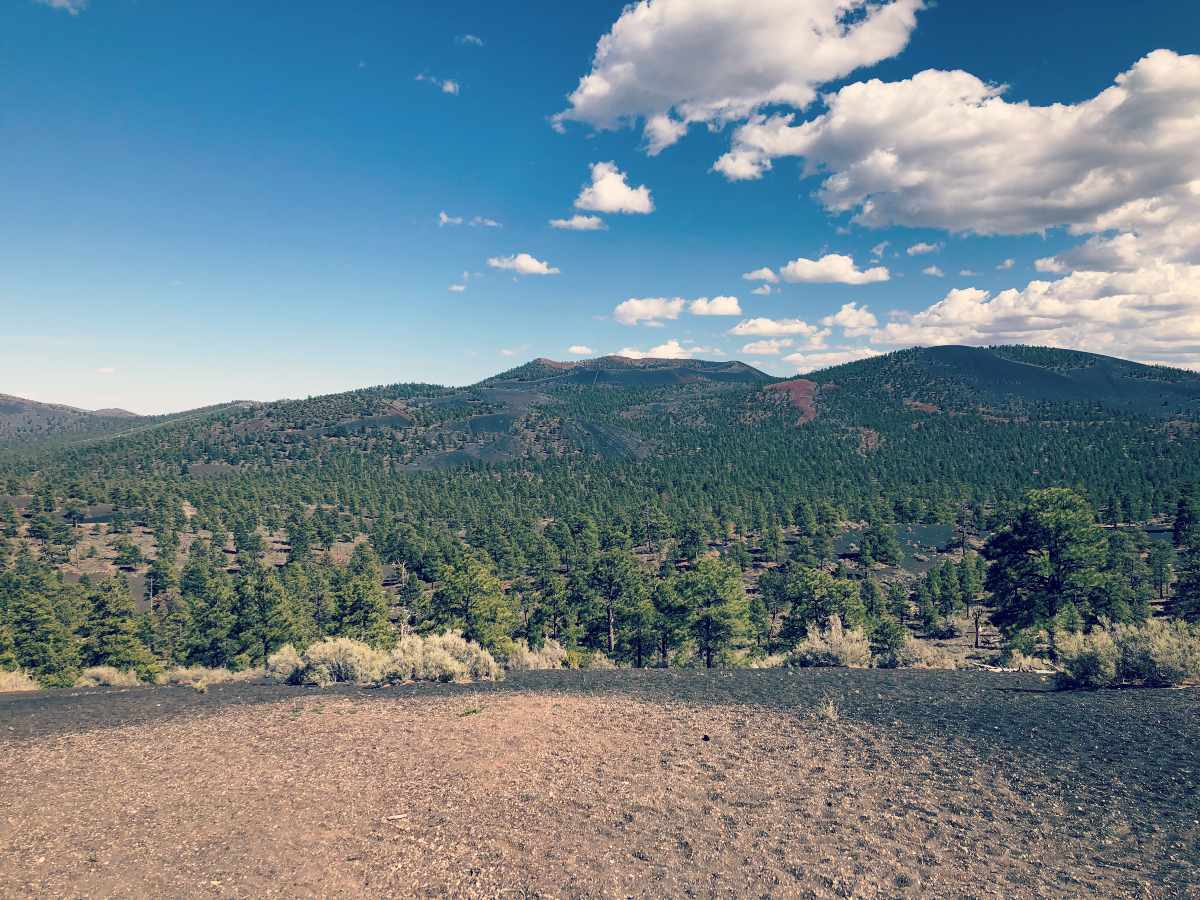
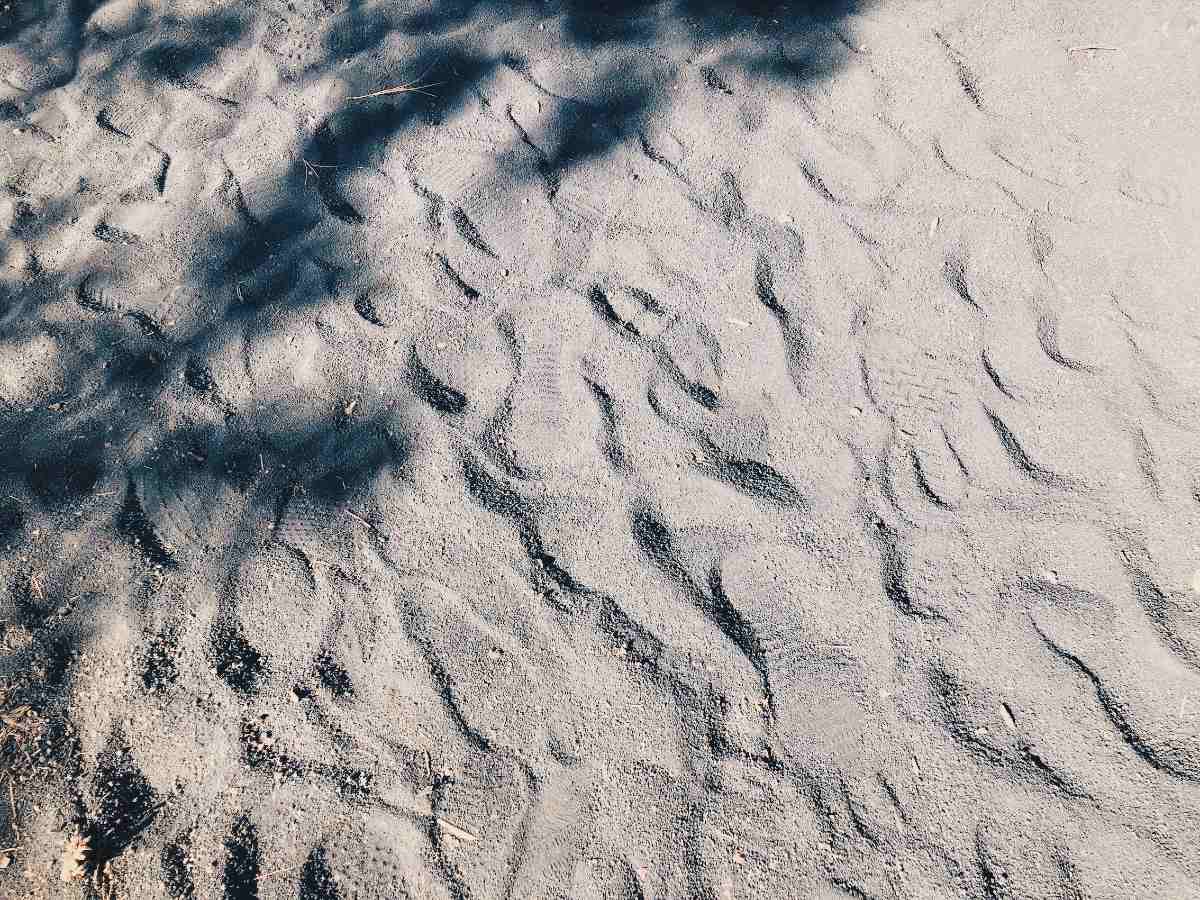
Besides hiking, the park can also be explored by car while stopping at the different scenic viewpoints along the way. The landscapes are absolutely beautiful, and many of the overlooks are wonderfully peaceful. Unlike the larger national parks, Sunset Crater Volcano National Monument is not overly crowded, so sometimes it feels like you have the entire viewpoint all to yourself.
🌋🌋🌋
We arrived at both Wupatki National Monument and Sunset Crater Volcano National Monument from the direction of Utah, where we had been visiting family. The following day, we continued on to Grand Canyon before eventually heading back home to California along the famous Route 66.
Once again, we stayed in one of our familiar favorites, the Aiden by Best Western in Flagstaff.
There are also many other places worth visiting nearby, including the stunning Antelope Canyon and Horseshoe Bend farther north, as well as Walnut Canyon National Monument right outside Flagstaff.
And if you continue eats toward New Mexico, do not miss Meteor Crater or Petrified Forest National Park. Its colourful Painted Desert is also considered part of San Francisco volcanic region.
Anoter amazing road trip in the books!
🇺🇸 OUR USA TRAVEL RESOURCES 🇺🇸
🗝 Hotels & Vacation Rentals: We usually find the best hotel deals here and also check this site.
Vacation homes and condos we book through VRBO.
🚗 Car Rentals: We compare rental car prices on DiscoverCars to find the best deals worldwide.
🗺 Tours & Activities: We usually book tours through Viator or GetYourGuide.
Both have huge selections and easy cancellation.
🎫 Concerts & Events: We buy event tickets through Ticketmaster, one of the most reliable platforms.
✈️ Flights: AirHelp has helped us claim compensation for delayed and canceled flights.
It can sometimes help finding better prices and also protects Wi-Fi when traveling.
📞 Travel eSIM & Data: For mobile data abroad, we use Yesim so we can navigate and stay connected.
🩹Travel Insurance: We always travel with insurance and use SafetyWing on our trips.
For more pictures and videos, check out our Instagram @paulagaston


