

Spending a day in Lerma, Spain? Here are the historic sights, beautiful buildings, and local experiences you shouldn’t miss.
*We use ads so we can pay for our travels and continue to bring you free travel advice. We also use affiliate links.
If you make a purchase through them, we may receive a small commission at no cost to you. See our Privacy Policy for more information. This trip was made possible by TourSpain, but as always, all opinions are my own.
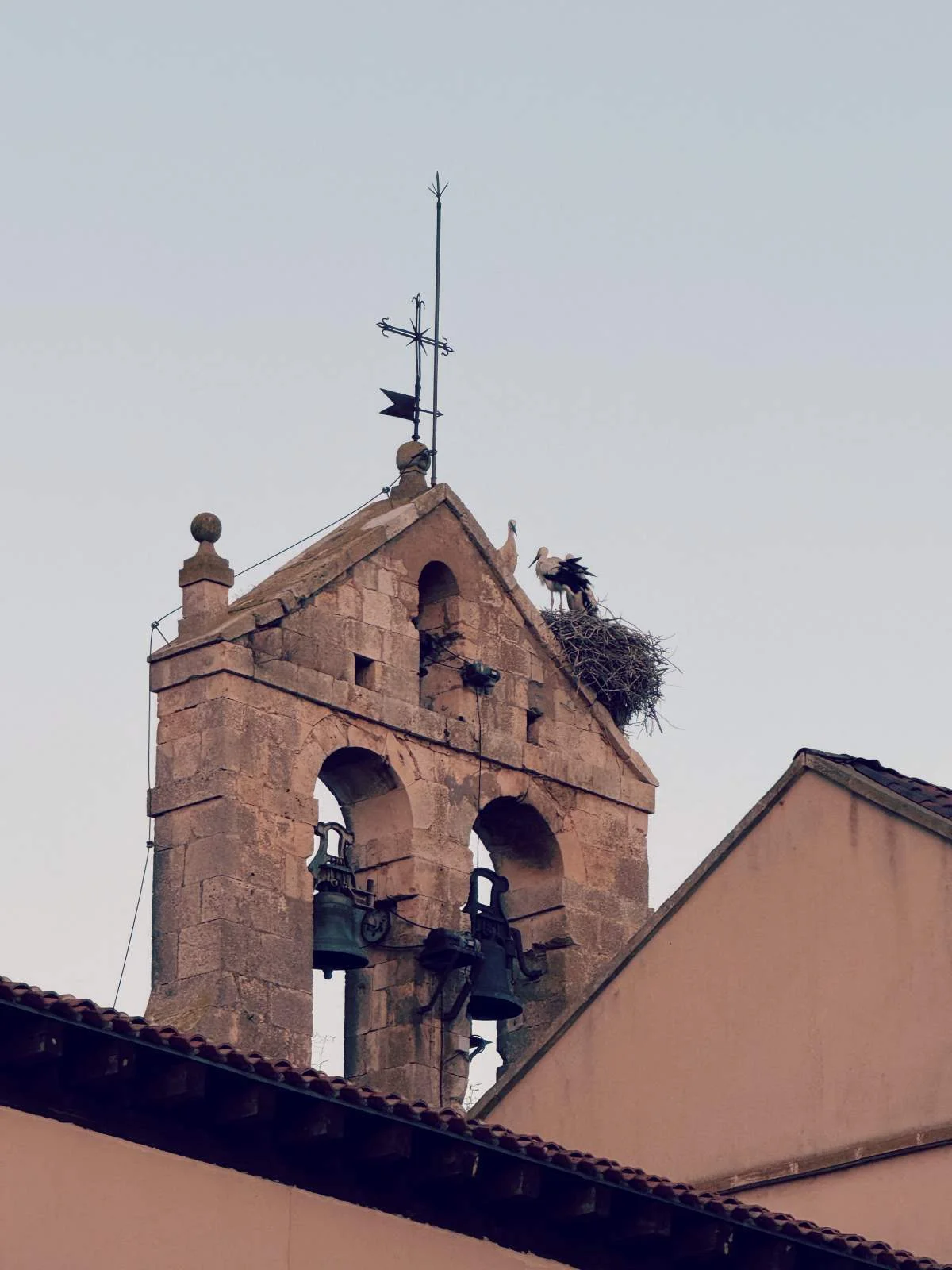
During our trip to Spain last summer, we started our road trip in the tiny town of Lerma. Lerma was charming historic town, and walking along its quiet streets, you could really feel its history.
Lerma is built on a hill, with the Arlanza River flowing nearby. From the edge of town, you get beautiful views over the valley floor.
I especially recommend Lerma if you are interested in history and historic buildings, or if you love wine. Lerma is considered the unofficial capital of the Arlanza wine region (D.O. Arlanza).
Lerma
The history of Lerma goes all the way back to the pre-Roman Iron Age. However, the town really began to grow and flourish during the reign of King Philip III, during Spain’s so called Golden Age. Philip III, who was king of both Spain and Portugal, allowed his favorite, the Duke of Lerma, to transform the town and build much of its historic center.
Many of the buildings in Lerma’s historic center were built in the Herrerian style, which became popular in Spain, especially from the late 16th century onward.
Today, Lerma is one of Spain’s best-preserved historic towns and is listed as a Conjunto Histórico. This designation helps protect Lerma’s historic building and heritage.
A little over 2,500 people live in Lerma today. The main industries are agriculture and wine production. Tourism is also becoming an increasingly important source of income for the town.
Lerma is located in the Castile and León region, in the province of Burgos. The nearest larger city of interest to travelers in Burgos, which is about a 30-minute drive from Lerma. Madrid is about a two-hour drive away.
I recommend renting a car for your trip, especially if you want to explore the surrounding area as well. Wine lovers should also consider following the Arlanza Wine Route, which is easy to start from Lerma. Otherwise, Lerma can also be reached by train or bus.

What to see in Lerma
El Palacio Ducal de Lerma
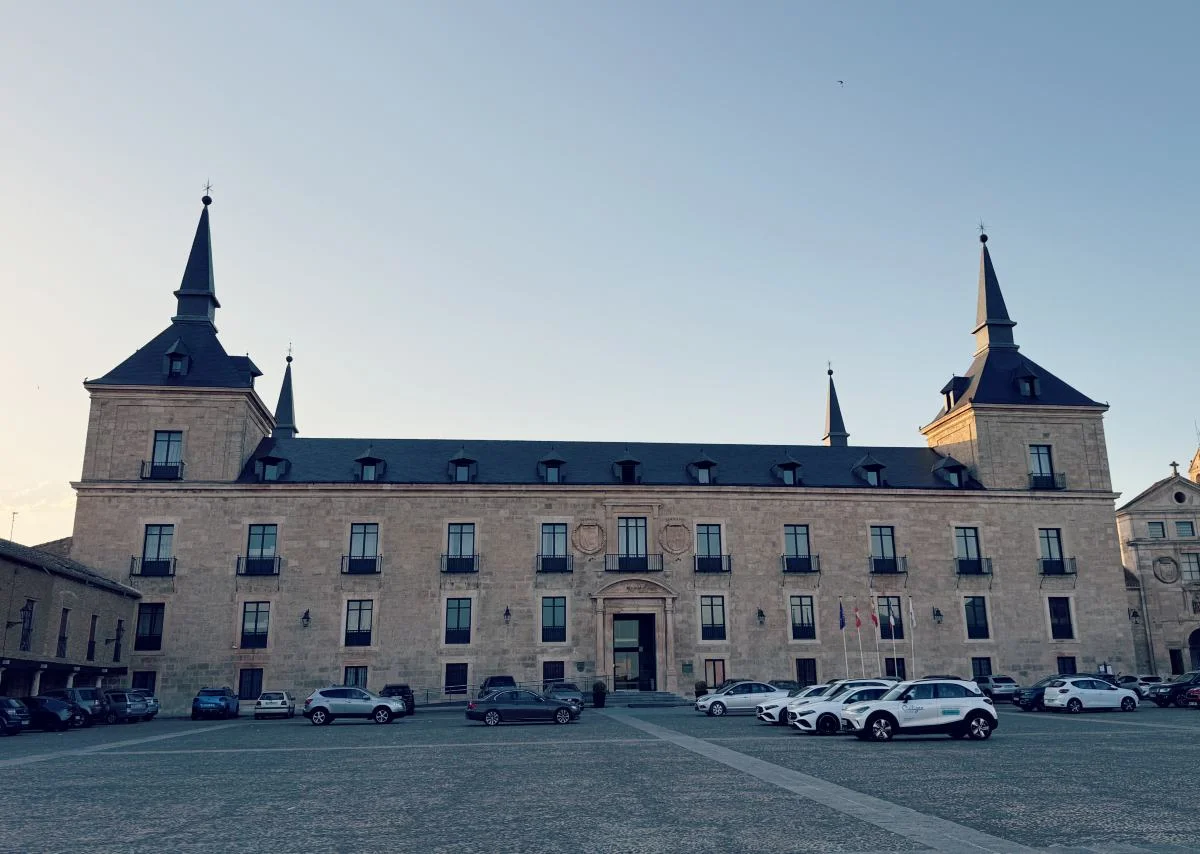
El Palacio Ducal de Lerma is a beautiful palace built by the Duke of Lerma in the 17th century. It was built on the site of an old castle between 1601 and 1617.
The Duke of Lerma, whose real name was Francisco Gómez de Sandoval y Rojas, wanted to bring new life to the town of Lerma. He built churches, monasteries, fountains, and gardens throughout the town. He also had a covered passageway built between the buildings, allowing people to move from one building to another without having to go outside.
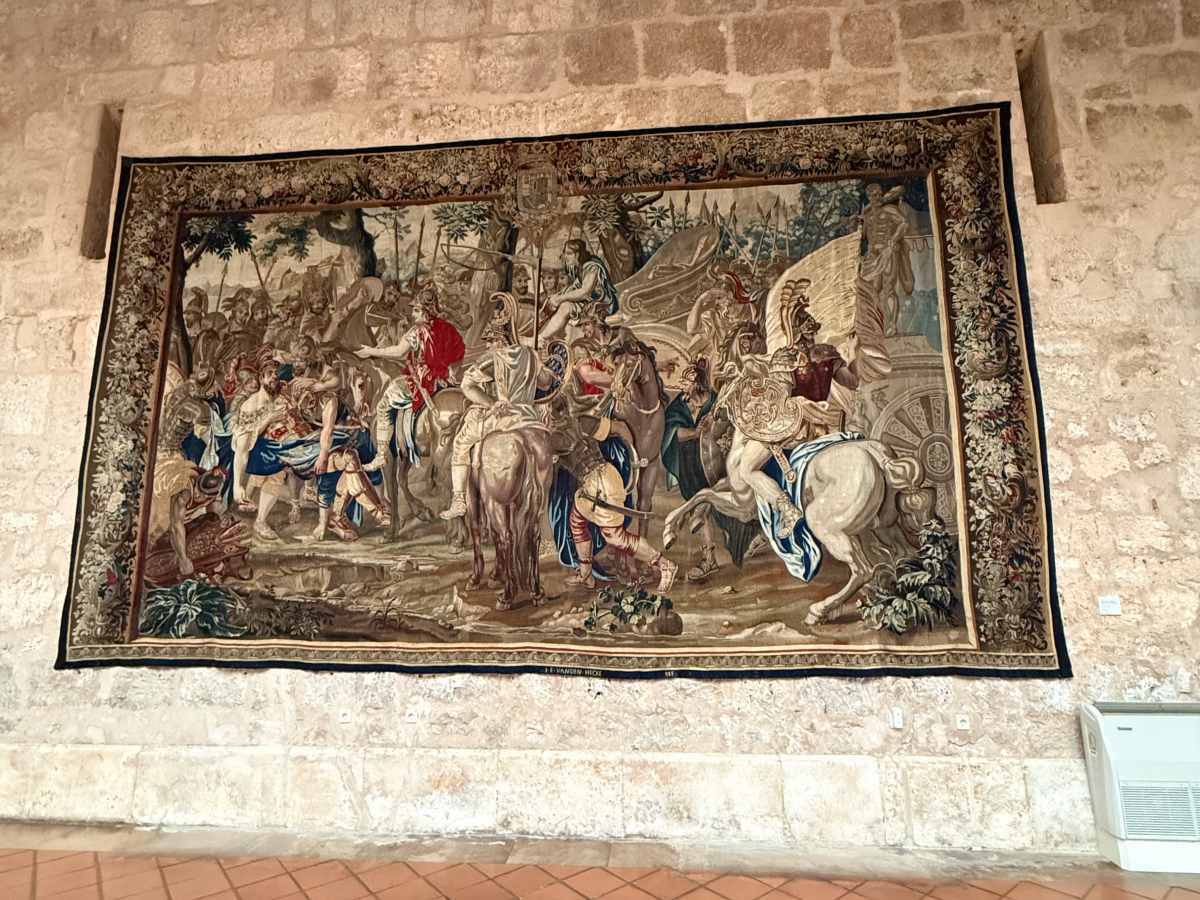
El Palacio de Ducal de Lerma has four towers and 210 balconies. Inside, you can see both older and more recent works of art. Some of them were collected by the Duke of Lerma, including the 17th century tapestry pictured here. It is woven from wool, silk, and silver and depicts the Battle of the Hydaspes River, which took place in 326 BC. The tapestry was made by Frans Van den Hecke.
The square in front of the palace, Plaza Mayor, is one of the largest historic squares in Spain.
The palace has also been the setting for several important historical events, including the wedding of the Prince of Asturias, who later briefly became King of Spain. The Spanish Queen Margaret of Austria also gave birth to a child there.
Perhaps one of the most interesting details, however, is that Napoleon Bonaparte also stayed in the palace.
Today, El Palacio Ducal de Lerma is home to the luxurious Parador de Lerma, which I will tell you more about below.
The Mercadillo de Lerma – Lerma Market
Every week, a market is held in Plaza Mayor, the square in front of El Palacio Ducal de Lerma. You can find everything from local products and baked goods to vegetables, fruit, cheese, and clothes there.
The market takes place every Wednesday from 9 am to 2 pm.
Oficina de Turismo and Its Museum
Inside the local tourist information office, Oficina de Turismo, there is an interesting museum dedicated to the history of Lerma.
You can stop by to ask about local events and attractions and pick up broschures. You can also join a guided tour about the history of Lerma from the museum.

The Collegiate Church of Saint Peter
Lerma’s Collegiate Church of Saint Peter (Iglesia Colegial de San Pedro) was built in the early 17th century. It can also be reached through a covered passage from the former palace of the Duke of Lerma. The church is located on Plaza de San Pedro.
The church is very beautiful and ornate inside, even though its exterior is quite simple and follows a classical style. Inside, you can also find many old objects and works of art.
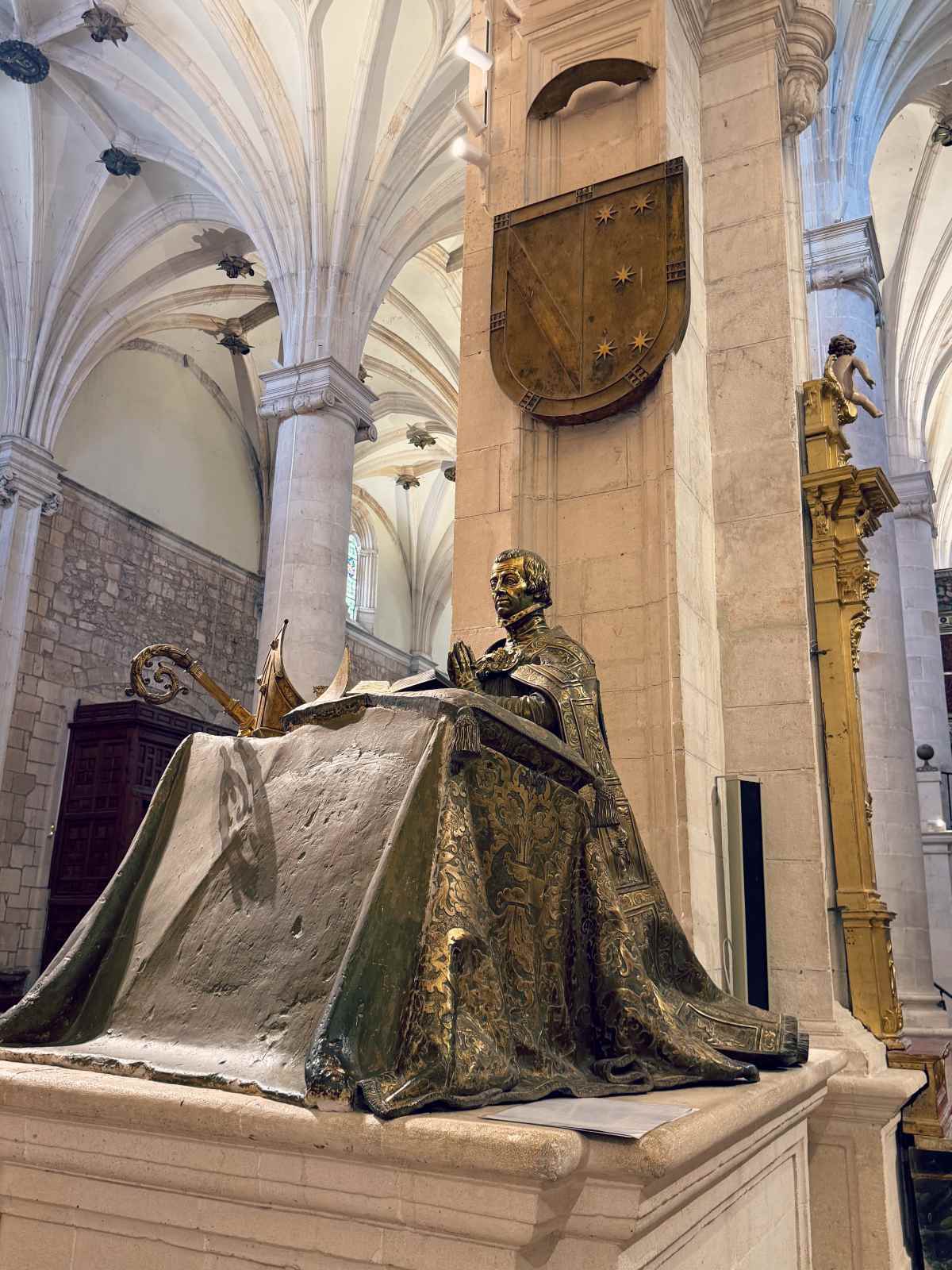
Among its most valuable treasures are a statue of Archbishop Cristóbal de Rojas y Sandovali shown in prayer, as well as the church organ, which dates back to 1616. The organ is one of the oldest in Spain.


La Cárcel – The Town Gate
Lerma is surrounded by stone walls, with the mediaval La Cárcel gate forming one of the entrances to the old town. The gate leads to Lerma’s main street, Calle Mayor, and from there into the historic part of town.
Originally, the gate consisted only of its central section and two towers. In 1610, the Duke of Lerma had another floor added to the building. The upper floor served as the town prison for many years.
Today, the building is home to the headquarters of Arlanza DOP, the organization representing the Arlanza wine region.

Lerma Monastery
Just outside the center of Lerma is the Lerma Monastery (Monasterio de Lerma). It dates back to 1608 and was home to Carmelite nuns from 1610 until 2016.
Now that the monastery is no longer used for its original purpose, it hosts different events, celebrations, wine tastings, and guided tours. You can also buy products made at the monastery, including different jams, spreads, and wines.
We got to take a comprehensive tour of the monastery and even had the chance to cook some traditional dishes there. You can read about what it was like to cook inside and old monastery here.


Where to Eat in Lerma
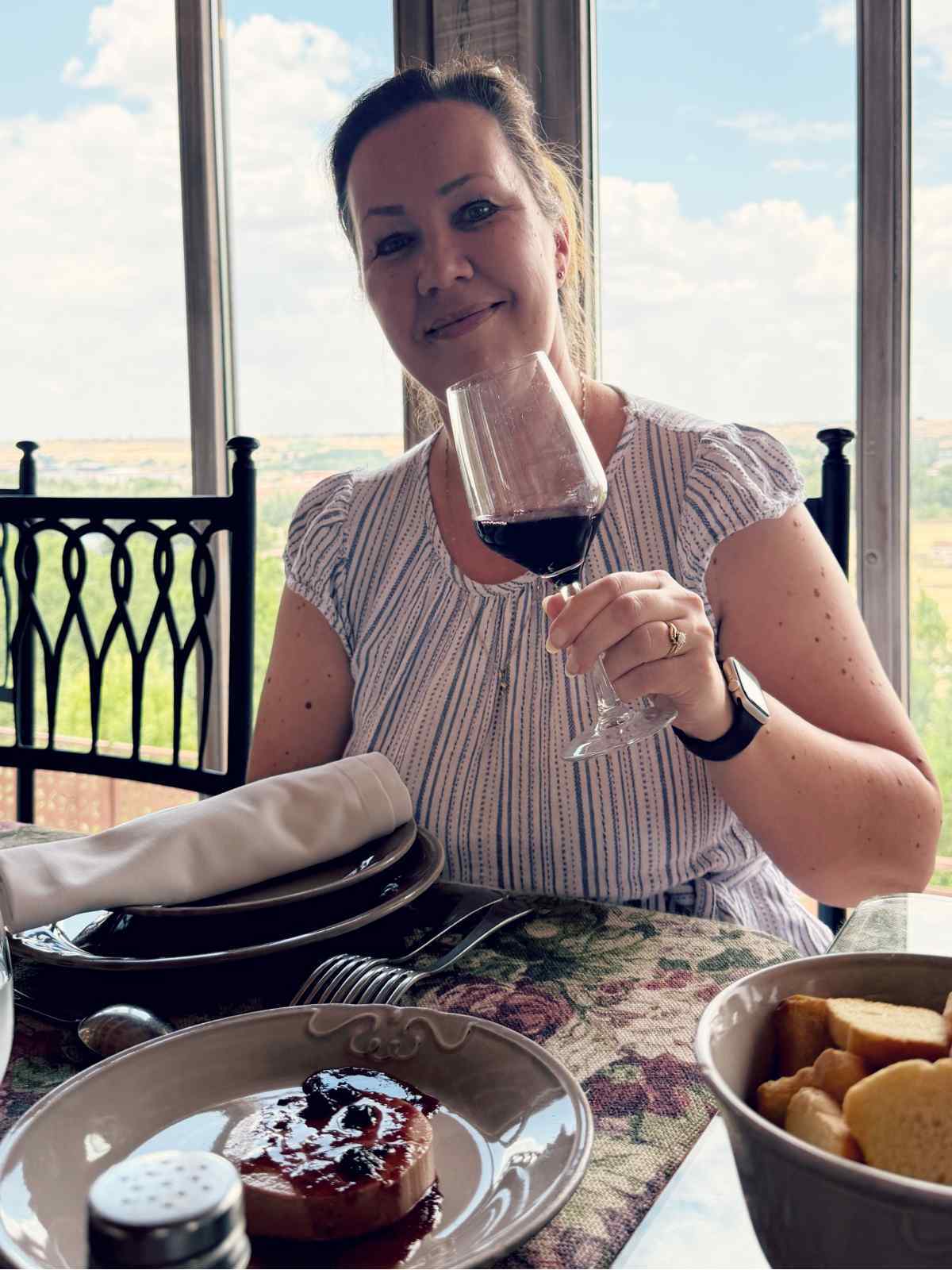
Lerma has plenty of restaurants, with options ranging from traditional tapas to pizza. We ate at our hotel, Parador de Lerma, as well as at a restaurant located just a short walk from our hotel called Asador de Eufrasio. I especially recommend the latter if you want to try some traditional Castilian dishes.
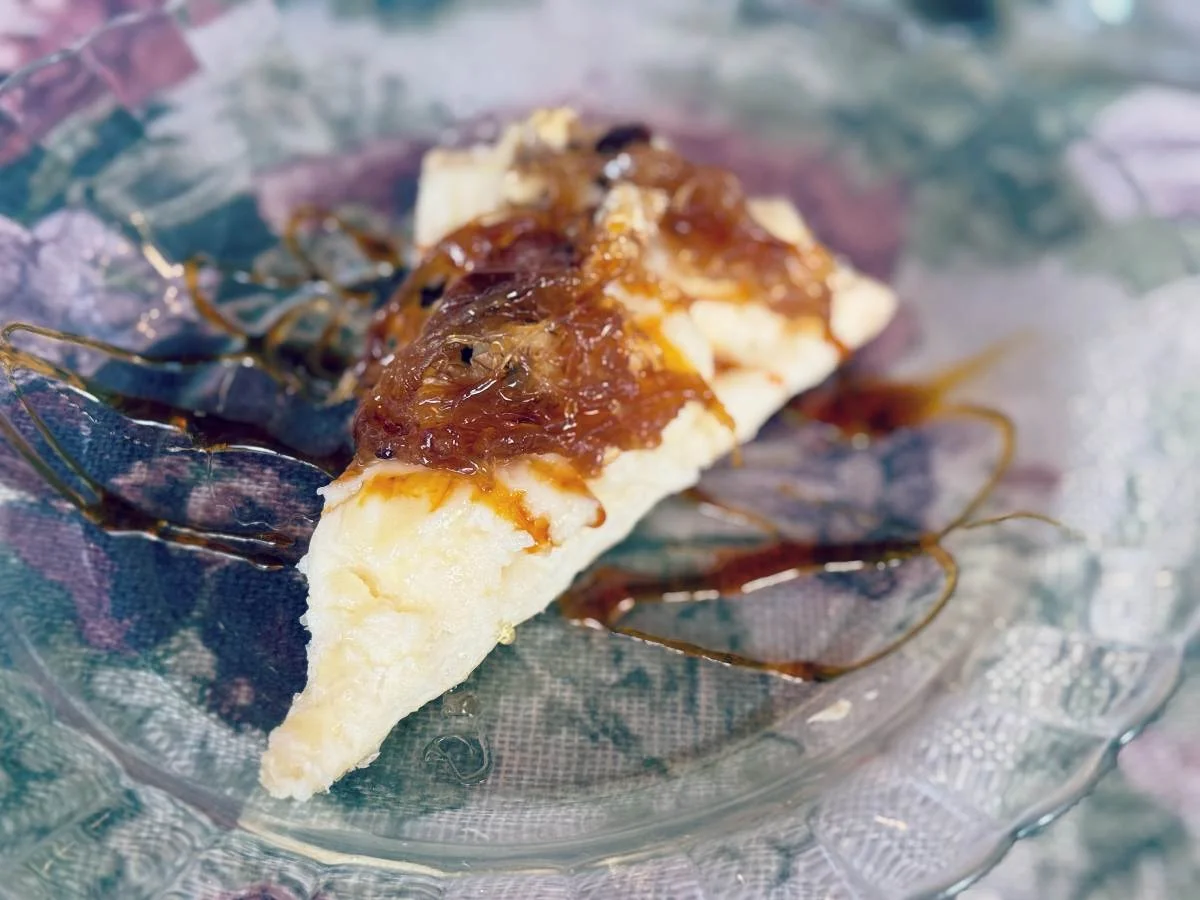
At Asador de Eufrasio, we tried several local specialities, including Burgos blood sausage (Morcilla de Burgos), liver pate with cranberry sauce (Foie con salsa de arándanos) , and milk-fed lamb slowly roasted in a wood-fired oven (Lechazo asado). For dessert, we had several different pastries, including the local Tartas naturales caseras, a homemade-style cake.

Where to Stay in Lerma
Lerma’s most impressive accommodation can be found in its largest historic building, El Palacio Ducal de Lerma (you can read more about the history of the building above). Today, it is known as Parador de Lerma.
Parador de Lerma has 70 rooms and two restaurants. The lobby is quite impressive, and it is a lovely place to sit down for a coffee. The breakfast was also really good and generous, so I recommend adding it when booking your room.
Paradores are accommodations operated by the Spanish government and are often located in historic buildings such as old castles, monasteries, and palaces. They are part of the Paradores hotel network, which was founded by King Alfonso XIII in 1928 to promote tourism in Spain.


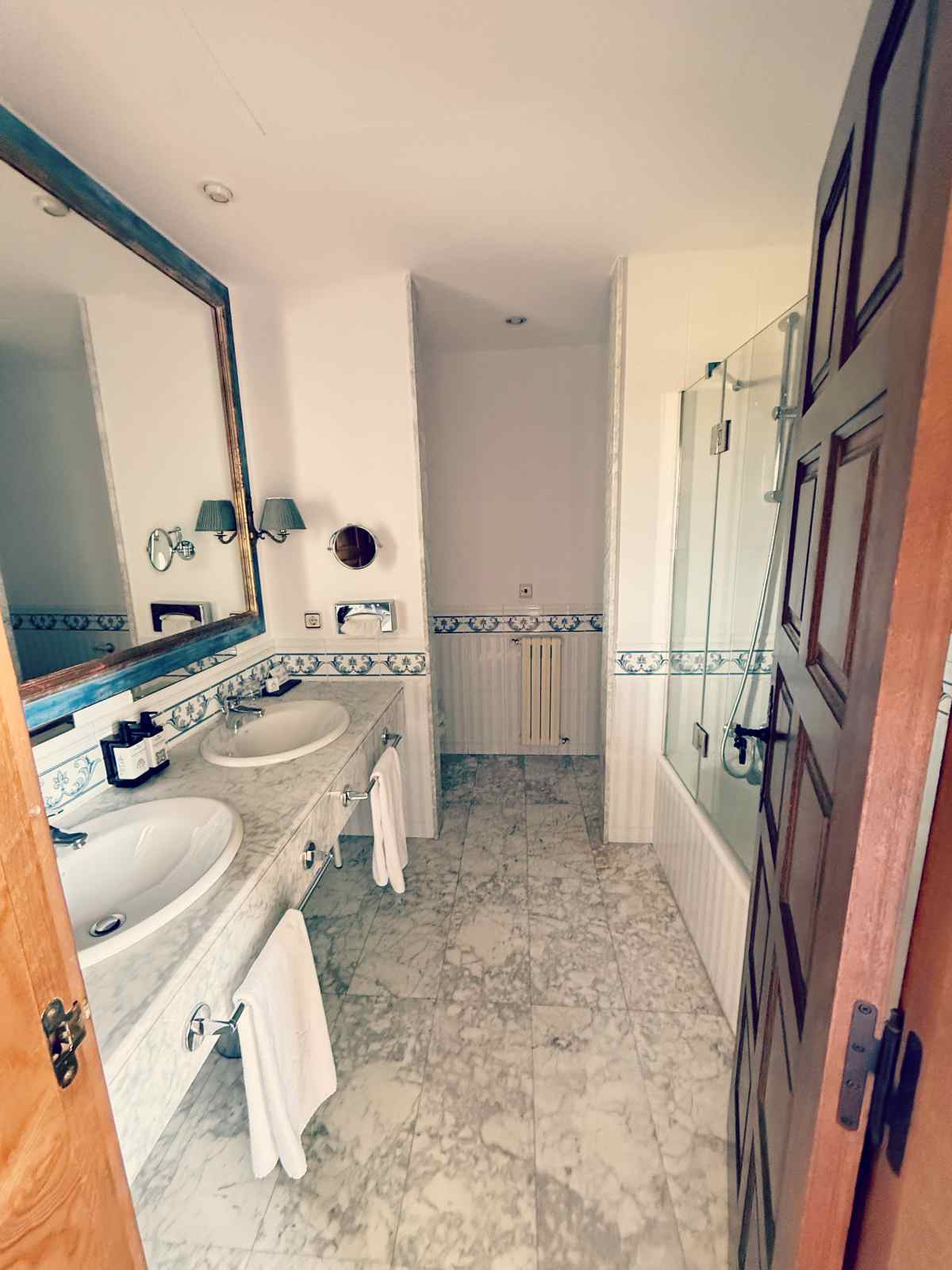
There are also a few smaller hotels in Lerma. The Asador de Eufrasio restaurant where we ate also has its own hotel, Posada de Eufrasio. The rooms are decorated in a fun Rococo style.
🏰🏰🏰
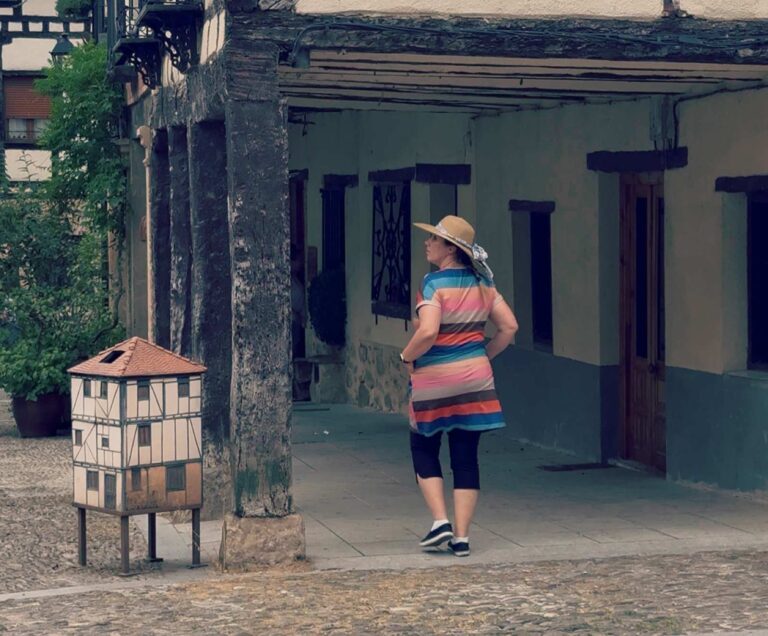
Lerma is a lovely town to explore on foot. It is fun to wander along the cobblestine streets and admire the old buildings. There also two active convents in the downtown, Convento de San Blas and Convento de Santa Clara. You can visit both, as the nuns run small shops where they sell things such as ceramics and baked goods.
Lerma is also a great base for exploring the surrounding area, especially the Arlanza Wine Route. I would definitely add Covarrubias and Santo Domingo de Silos, with its beautiful monastery, to your itinerary. For something a little different, you can visit Territorio Arlanza, and art park, or Sad Hill, where scened from several Western movies were filmed.
Have you visited Lerma or a town like it?
🇪🇺 OUR EUROPE TRAVEL RESOURCES 🇪🇺
🗝 Hotels & Vacation Rentals: We usually find the best hotel deals here and also check this site.
Vacation homes and condos we book through VRBO.
🚗 Car Rentals: We compare rental car prices on DiscoverCars to find the best deals worldwide.
🗺 Tours & Activities: We usually book tours through Viator or GetYourGuide.
Both have huge selections and easy cancellation.
🎫 Concerts & Events: We buy event tickets through Ticketmaster, one of the most reliable platforms.
✈️ Flights: AirHelp has helped us claim compensation for delayed and canceled flights.
📞 Travel eSIM & Data: For mobile data abroad, we use Yesim so we can navigate and stay connected.
🩹 Travel Insurance: We always travel with insurance and use SafetyWing on our trips.
For more pictures and videos, check out our Instagram @paulagaston


I came here to visit from canada. Completely worth the trip! Lovely small store in the “town square” which sells wine, cheeses local pastries/ bread and meats like the blood sausage which i had never heard of until i visited the store. Great information the carmelite nina visiting the monestary as well!!!
Thank you Kate! Lerma is such a charming little town, I really enjoyed visiting. 🙂